Oubviously there is a touch of „déjà vu“ when you taste the Cuvée Prestige of Champagne Paul Lebrun.
Champagne Paul Lebrun Cramant
This Champagne has indeed some commonalities with its little brothers and sisters of the estate. Which is quite normal and even desirable, as I am convinced, that each winzer should leave (a slight) fingerprint on the style of his wines. It’s part of the habits of the Vignier-Lebrun family to ripen their Champagne for a long time on fine lees, before they take them out of the cellar. A single exception may be found in their cuvee “Carte d’Or”, which presents a younger, more lively and citric style.
The Dean of the estate, made from grapes of the finest terroirs of the Côte des Blancs, shows a warm golden colour and very fine, regular bubbles. A pleasant-smelling bouquet of ripe peaches and dry apricots, old Armagnac, crème brûlée and blond tobacco. A nose that invites to sit down and take your time…
The wine is dense and creamy on the palate, accompanied by fine, discreet bubbles. A well-structured Champagne one would like to eat and chew to bring it to full expression. I prefer to drink it “solo”, together with piece of old parmesan cheese and some good friends…
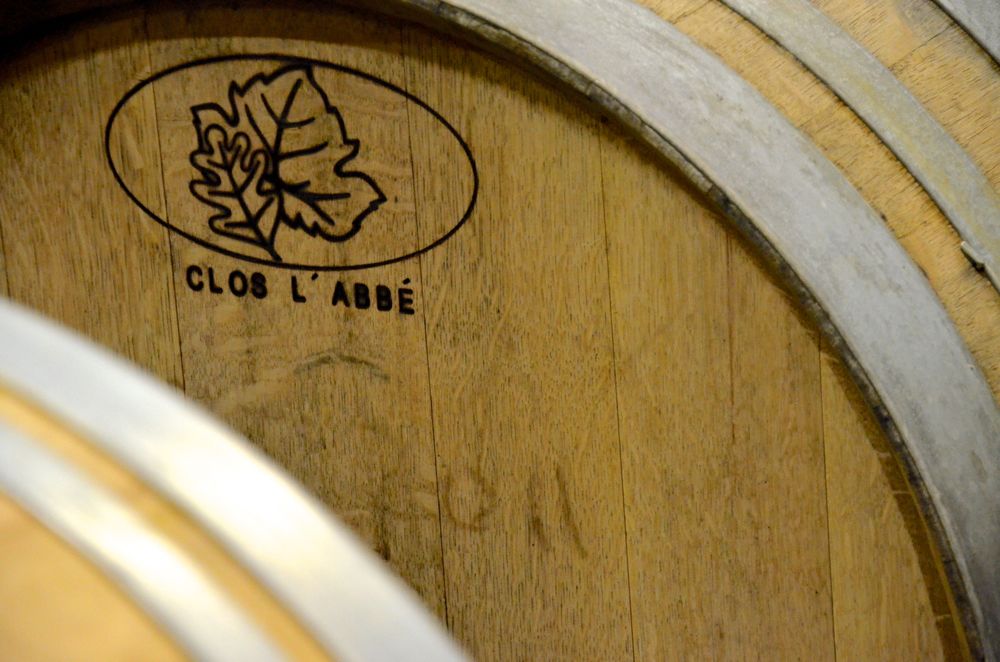
A good glass of... Clos l’Abbé - genuine jewelry from #Champagne
Concerning Hubert Soreau, I can confirm that he is as meticulous as a goldsmith for the production of his champagne Clos l’Abbé. His Chardonnay grapes grow in three small lots of the historic Clos l’Abbé near Épernay (once the oldest walled or enclosed vineyards of Champagne, as old documents confirm that it was already planted with grape vines in the ninth century). Personally, I love Chardonnay. It always comes up with surprises, presenting unexpected tastes and fragrances to my palate. It can be subtle and discreet, thick and lazy, powerful or delicate, have aromas of butter, lemon, blossoms and vanille, be mineral or juicy… So maybe I’d better write in plural and say that « I like ChardonnayS ». Obviously there are also perfectly boring Chardonnay wines on the marked, as it’s not a MAGIC grape variety that automatically makes great wines. You have to treat it with a certain respect, so it gives us a wine well worthy of its name.
CHAMPAGNE CLOS L’ABBE
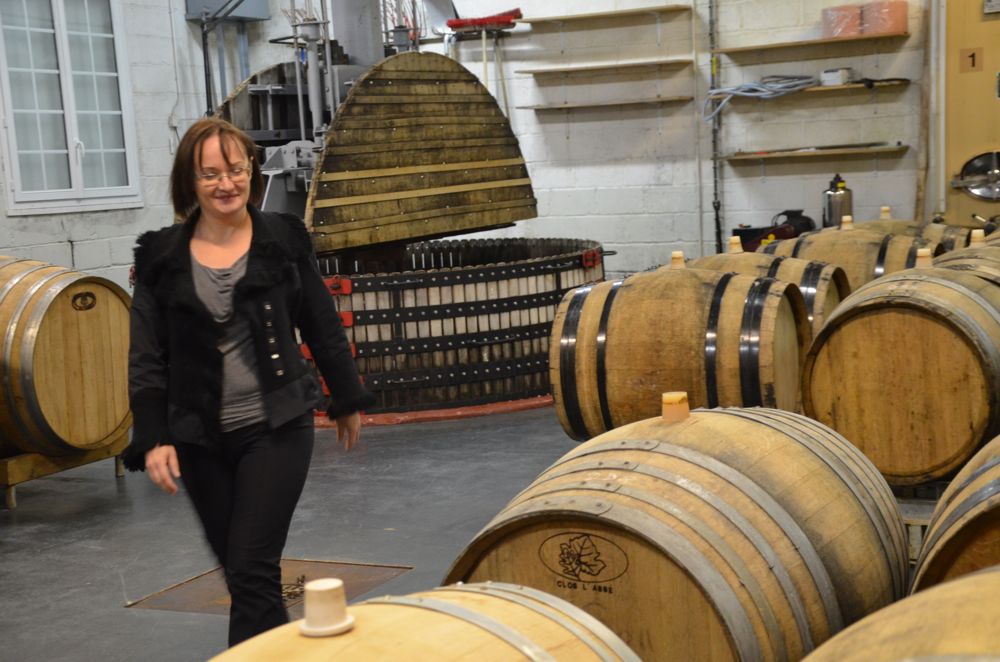
In Hubert’s vineyards and cellar this is indeed the case: « Chablis style » pruning, no herbicides, hand picked grapes, whole bunch pressing in vertical press, fermenting in oak barrels, bottle fermentation (prise de mousse) the traditional way with natural cork… And at least three years of bottle ripening before Hubert starts to think about bringing the wines back up from the cellar.
The last « tirage » of the Clos l’Abbé (the still, non sparkling wines of the last vintage are bottles for the second fermentation) took place in April. An excellent occasion to get an older bottle from the cellar and give it a taste!
It looks great in the glass: pale, shiny and golden colored, small bubbles regularly rising to the surface. Its almost ruminant… By the way, I poured it into a wine glass and not into a champagne flute. The latter is perfectly adapted to sparkling wines that want to emphasize the splendor of their bubbles. But its far to small and tight for wines with a complexe bouquet. Those wines deserve better, they need space!
Le Clos l’Abbé sortie du pressoir
The Clos l’Abbé gratefully fills the entire space I’ve offered to him with the smell of ripe peaches and pears, as well as with aromas of hazelnut and butter. After a little while the wine has opened up a little, adding white pepper and dried apricots to its bouquet. Despite the fact that my nose would love to hang on a little longer, my palate insists to taste and drink at last. The straight minerality of the wine surprises at first, but it rapidly melts away amongst the mellow and smooth mouthfeel. The fine bubbles are perfectly integrated, and delicate fragrances of almonds and blossoms enrich the aromatic final.
Tasting this Champagne, its easy to understand the meaning of the French dictum that « a Champagne can accompany a whole banquet, from the amuse bouche to dessert ». Let’s think about it: I would serve the Clos l’Abbé without anything for an aperitif and prepare a rabbit terrine with coriander and pistachio for a starter. For the main course I could imagine fish filet with white pepper and vanilla, served with some creamy polenta, followed by some young parmesan cheese. Finish on a « Paris-Brest », a traditional French choux pastry with praline flavoured cream.
The liquor added to champagne wines just after disgorging, also called “liqueur d’expédition” (expedition liquor) doesn’t just serve to fill the wine level after expulsion of the yeast deposit. As the composition of this liquor, made from still wine and sugar determines the sweetness of the Champagne, it’s the ultimate step to fix the style of the cuvee: From Extra Brut and Brut, through Extra Dry, Sec, Demi-Sec all the way up to Doux, the sparkling wine is more and more sweet. Since a couple of years sparkling wines without any dosage, also called “Brut nature” have become popular. In this case, the added liquor contains no additional sugar at all and a Champagne “Brut nature” is as dry as a dry still wine: no residual sugars left!
“You already think about the final dosage when blending the base wines before bottle fermentation. You are even reasoning about it during the evaluation of grape ripeness and harvest”, admits Hubert Soreau, whose Chardonnay grapes grow in the historical Clos l’Abbé close to Epernay.
To guarantee the balance of the final cuvee, sugar concentration of the expedition liquor has to match with the character of the wine. A rich, full-bodied wine might become heavy if the dosage is to high; A straight, acidity-based wine will taste thin or even hard, if the dosage is not used to cover this acidity. Even aromas and perception of our beloved bubbles may change according to the dosage.
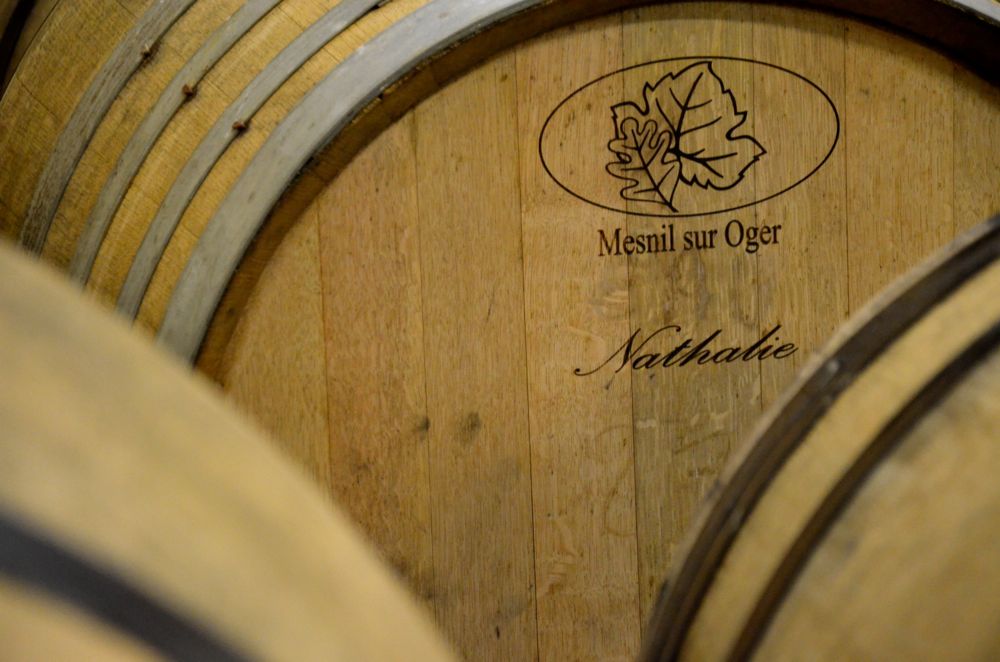
I re-experienced this particularity just recently, lecturing at the Université du Vin Suze-la-Rousse in the Rhône Valley. At our request, Nathalie Vignier from Champagne Paul Lebrun, prepared the same cuvee with different levels of dosage: One Brut (10 g/l) and one Extra Dry (20 g/l). The result of the tasting was intriguing as always.
Already in the glass both wines behaved differently. The Extra Dry showed bubbles and foam of top of the wine which seemed to be bigger and grosser. And while the bouquet of the Brut was pleasant, flowery and of intense fruit, the flowery character was almost completely missing in the wine with higher sugar content. On the palate the difference between the two wines was even more accentuated. Here too, the bubbles felt bigger, even giving some severity to the Extra Brut’s final, and the Brut’s complexity outstood with additional aromas of dried fruit and brioche.
The result of this tasting didn’t surprise Nathalie at all: When we want to make a Champagne Extra Dry or an Demi-Sec, we choose completely different base wines. In the case of higher residual sugar to obtain a flawless balance, the base wine should show more acidity and present perfectly integrated bubbles after bottle fermentation.”
Great taste! #Champagner Extra Brut from Paul Lebrun in Cramant
A wine from Champagne may be labelled „Extra Brut“, if less than 6 g/l of sugar have been added during the „dosage“ after disgorging. This wine, a 100% Chardonnay with only 4 g/l of sugar, is made fom grapes grown on the chalky soils of the Côte des Blancs close to Epernay and on the pebbly stone soils of Cézanne further south. A rather low “dosage”, if you consider that most of the Champagne wine we drink labelled as “Brut”, has a dosage up to 15 g/l of sugar.
Champagne Paul Lebrun Extra Brut
Personally, I think this Champagne doesn’t like to stay alone, asking for culinary company. The nose is rather discreet, with citrus smells and flowers, before revealing some ripe peachy and buttery aromas. On the palate you will find straight, crispy acidity and fine, tight bubbles, while lemon and peach aromas recall the nose. It’s the straightness of the palate makes you think spontanuosly about oysters! Their salty savouriness will perfectly harmonize with the crispy lemon taste and the fine bubbles of this Champagne. You should serve it fresh of course, but I prefer a temperature of 10°C to 12°C for this wine to accentuate its hidden vinosity.
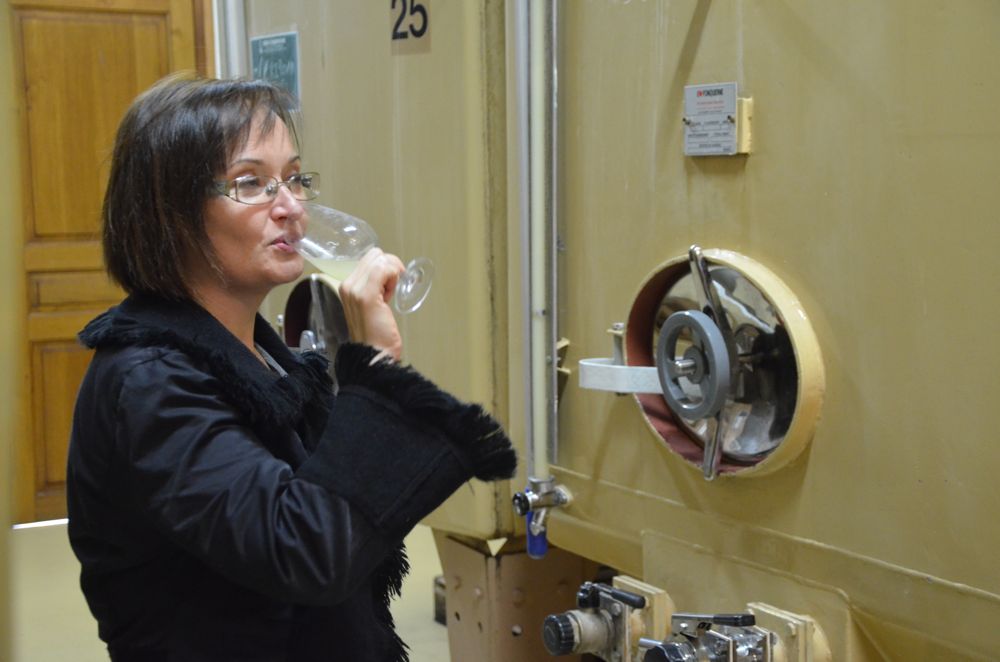
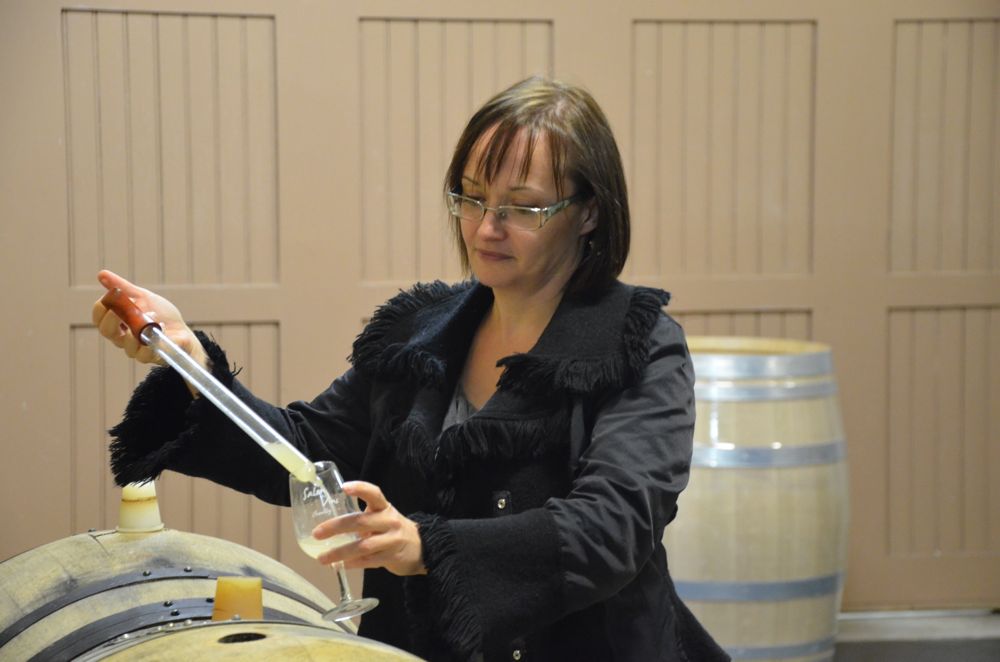
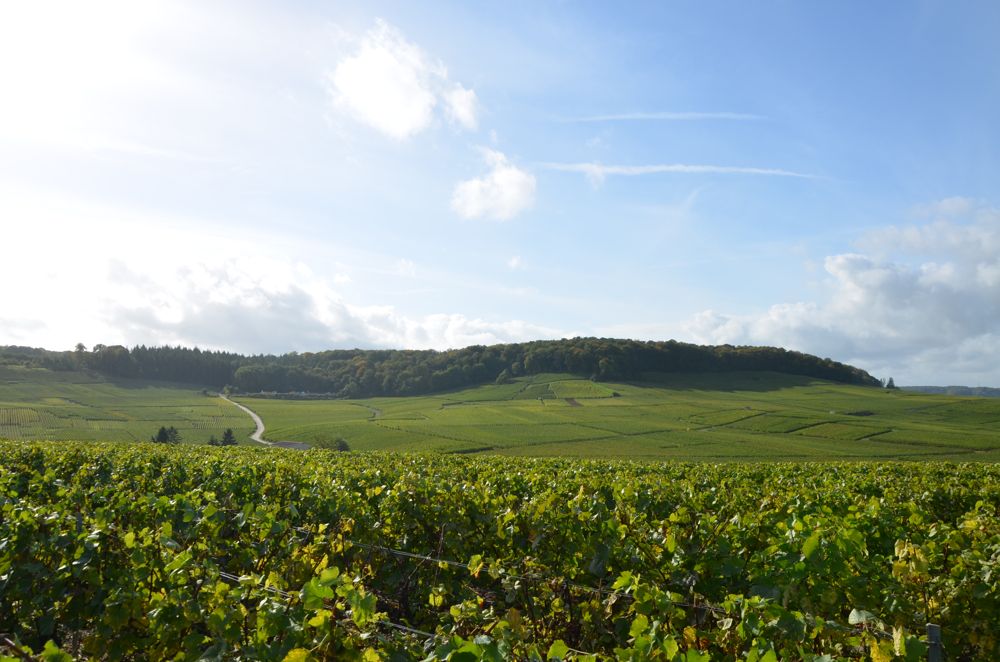
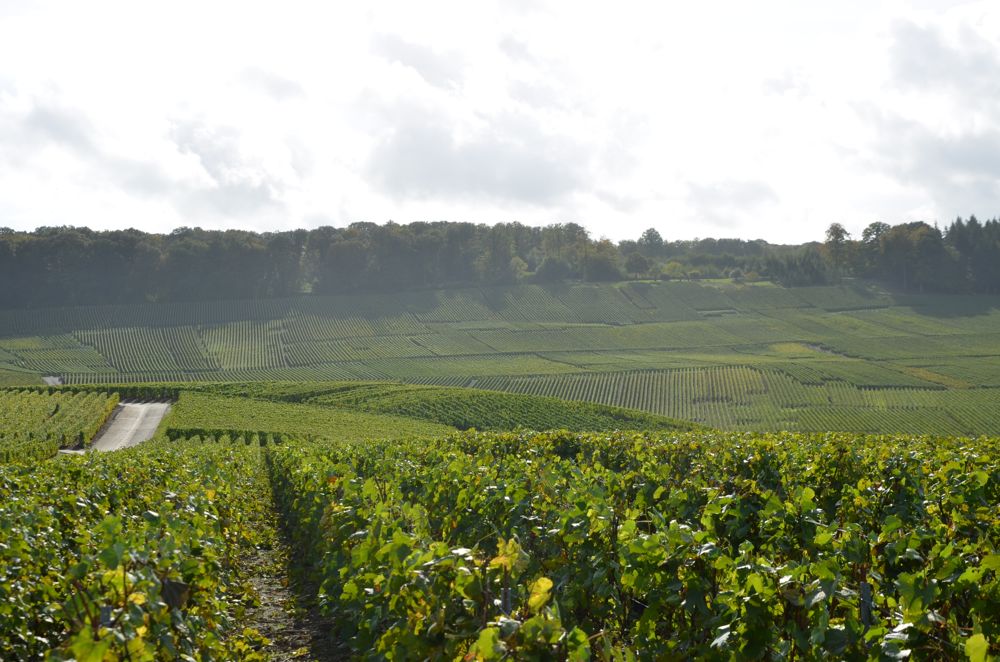
Visit to the vineyards of #Champagne and tasting of the #2013 vintage
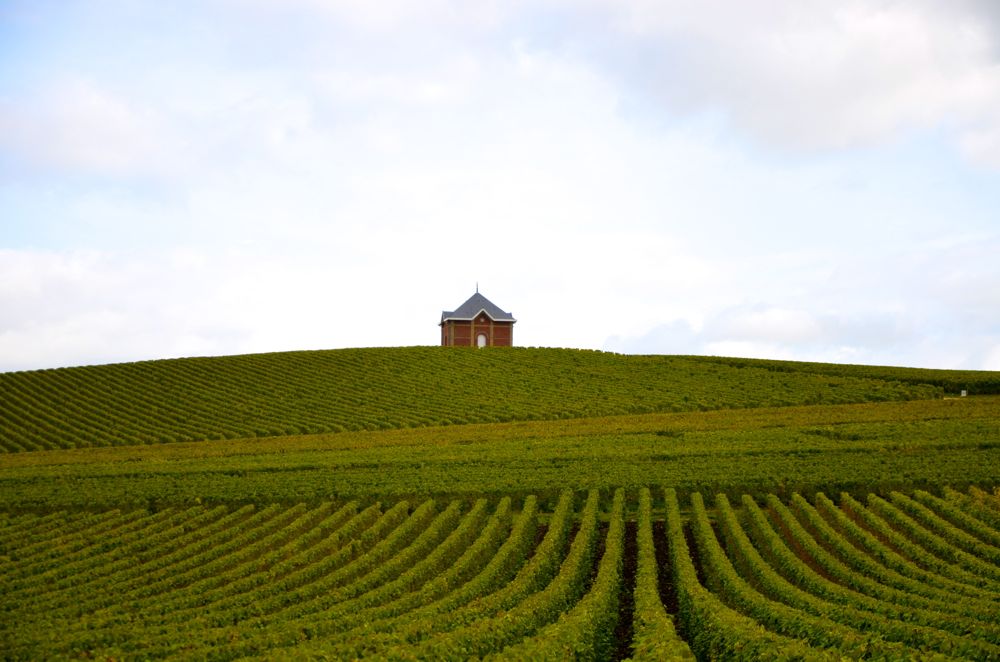
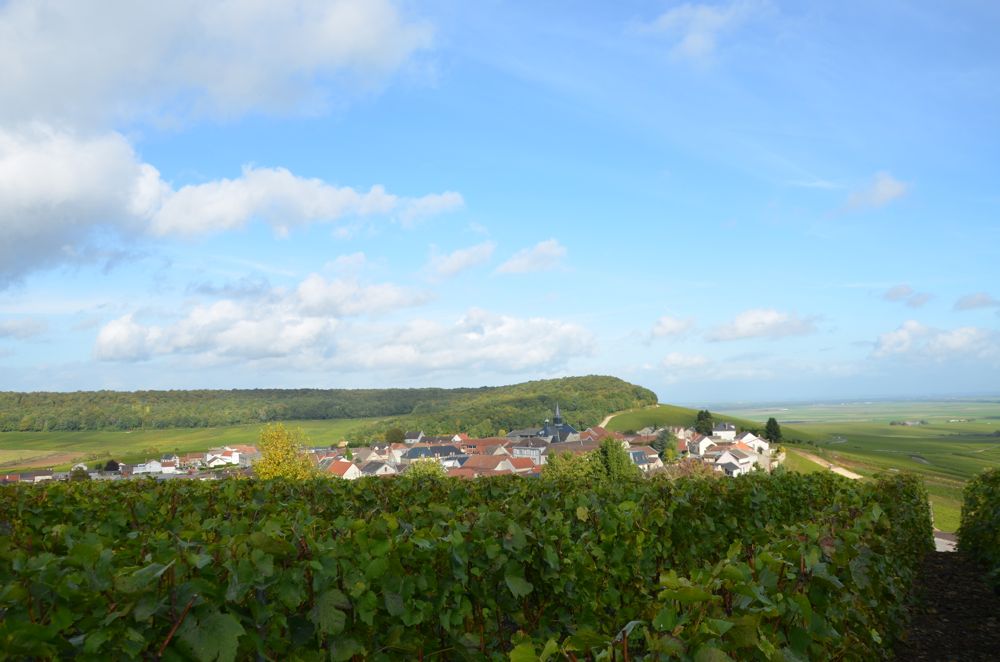
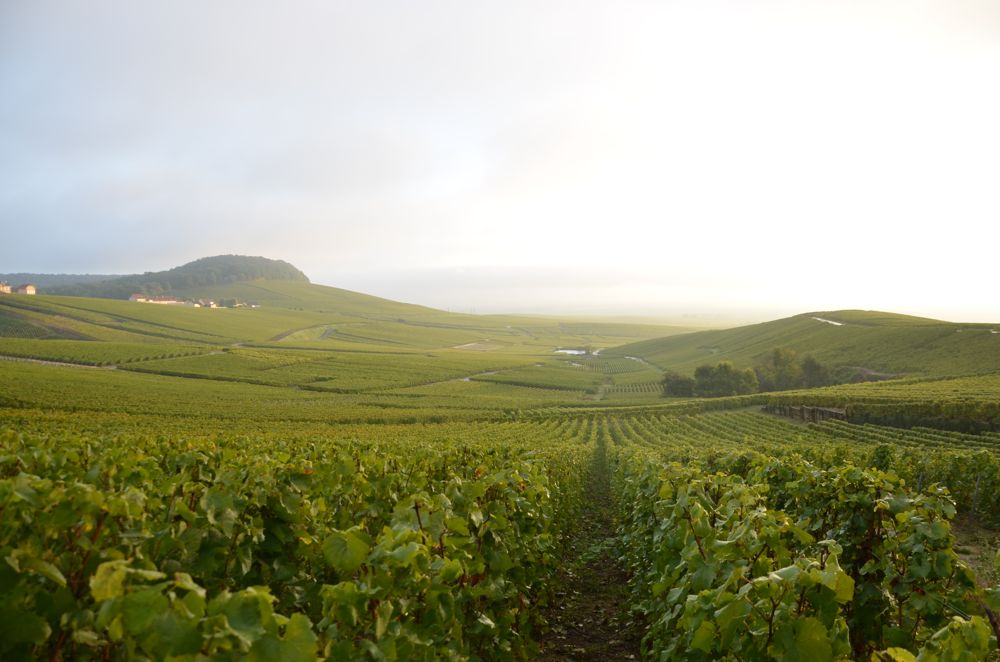
A trip through the vineyards in Champagne around Cramant, Avize and Épernay and tasting of the 2013 wines with Nathalie Vignier at Champagne Paul Lebrun.
Prerelease #Champagne Purs Cramants from Nathalie Vignier
It’s always a little thrilling to discover a new wine, a new cuvée. Nathalie Vignier presented her Champagne Pur Cramant in a very uncomplicated manner: comfortably sitting in her kitchen. A prerelease, disgorged just minutes before, while the remaining bottles will continue their ageing for another couple of weeks. A beautiful champagne, delicately chiseled out of chalk and Chardonnay, with a powerful and enthusiastic nose: white peach, some hazelnuts, zesty lemon and the smell of blossoms that made me think of lily of the valley and mayflowers.
Straight and mineral on the palate, with powerful and impressive acidity. The bubbles are lively but tender, melting down slowly into the wine, giving a creamy mouthfeel on the final. There is something tactile in this wine, something your tongue and cheeks can feel, a chalky impression that makes you think of its terroir, giving length and persistence. A beautiful wine for tasting and for food, that one would spontaneously associate to Sushi orfish carpaccio.
To be released...
#Champagner Paul Lebrun Extra-brut Blanc de blancs Rated with one star by the Guide Hachette 2014
Founded by Henri Lebrun in 1902, this Estate became its final name in 1931 from Henri’s son Paul. Today, the grand-children of Paul, Nathalie and Jean Vignier, take care of the 16,5 hectars of Chardonnay on the Côte des Blancs and in Sézanne. They are specialized in making blanc de blancs. This cuvee is partly fermented in oak wood and has been bottled as an Extra Brut (a very low dosage of only 4 g/l of residual sugar). After some delicate toasty aromas and smells of brioche, it reveals a savoury, medium-bodied, fresh taste on the palate, perfectly compatible with its bouquet.
A ripe Champagne, that matches very well to scallop or lobster on chicory.
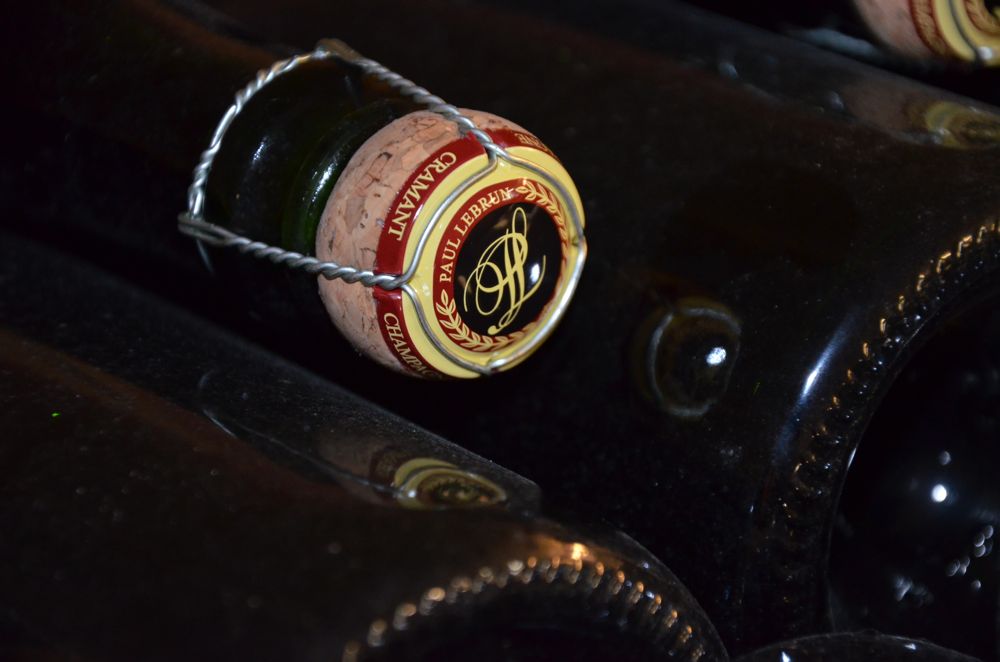
After the second fermentation in bottles, which confers the famous bubbles to the wine, the bottles are left to rest for several months: At least 12 for “common” champagne, not less than 36 months for vintage champagne, in accordance with the rules of the Appellation d’Origine. Actually, it is more a period of calm and devout work, where the taste and particularly the odour of the wine are mould by time.
Champagne Vignier et Soreau - vieillissement sur lie
Depending on the composition and the wanted aromatic ripeness of the wine, many cuvees often ripen much longer in bottles. Many “common” Champagnes age 2 or 3 years on fine lees, vintage Champagne or “Grand Cuvées” often stay cellared for 4 to 10 years before being disgorged.
There is no doubt for Nathalie Vignier: ”Aromatic complexity and ripeness increase. The wines love to spend time on the lees!”
Even if the bouquet of every Champagne depends on its original character, a general tendency of aromatic evolution has been observed:
“First you’ll get flowery and citrus aromas. Later it gets to riper fruit, peaches or pear for example, before the rise of tertiary aromas like butter, toasted bread, pastry or dried fruits…”
Watch the CIVC aroma map here
According to the potential of the wine, which mainly depends on grape varieties, terroir and ripeness, you may literally sculpt the bouquet of the wine by using time: Crispy and fresh fruit for shorter aging, spicy and rich after years of patience.




 RSS
RSS