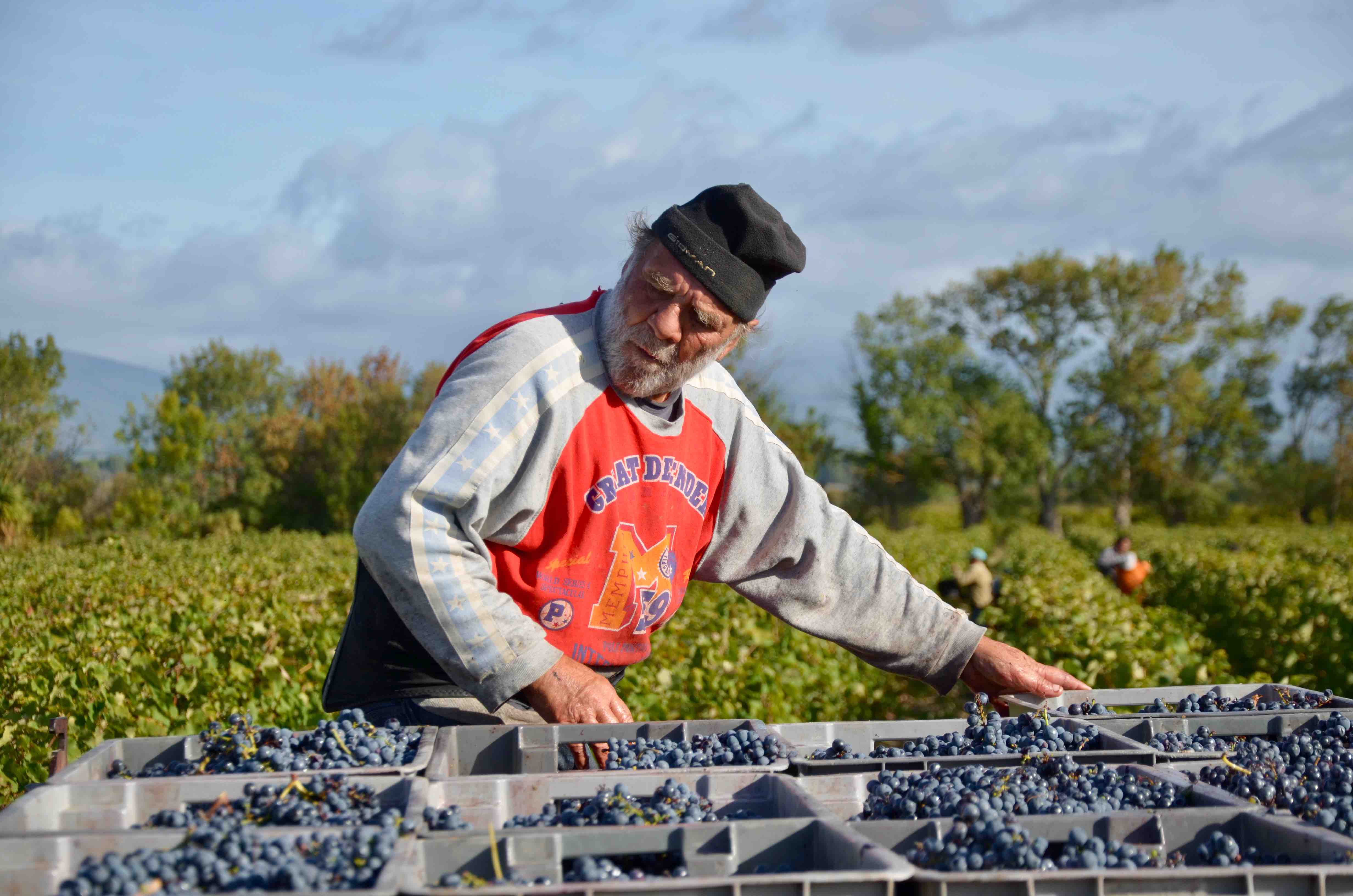
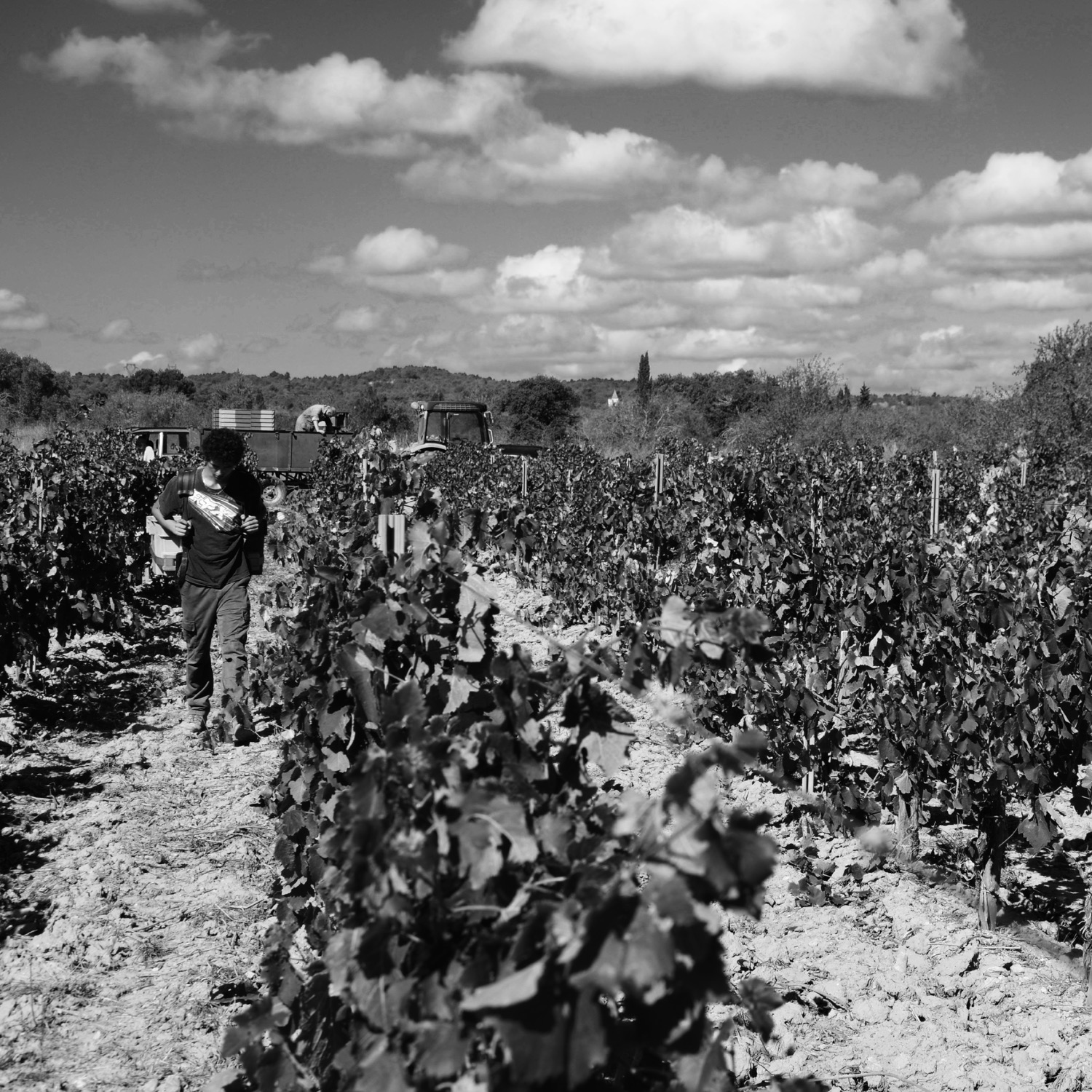
Harvest is over since a couple of weeks now. Wines are going through malo now and everything looks just fine after a long, long harvest this year… The first results are promising, with a beautiful base of Cinsault and Grenache for the cuvée Tradition, with Aramon, Picpoul noir, Morastell, tasty as always, eager to join the Carignan in the cuvée Les Mal Aimés... It certainly is a great vintage for Syrah, showing as majestic and elegant as ever. To be continued…
2018 gave us a lucky harvest. After a vigorous and snowy winter, continuing alternation between abundant rain and sunshine marked spring. Some thunderstorms and hail approached the Côte des Blancs and the Coteaux du Sézannais in May, but except some light leaf damage, none of our vines or grapes were harmed. Mildew was a major problem at that period, but it seemed to be under control at the beginning of the warm and dry summer. Drought was compensated by the huge ground water reserves stored in the chalky sub soils that act like a sponge, supplying water to the plants and the grapes until optimum ripeness was achieved.
This year’s harvest was very early, as we started to pick the firs grapes on August 28th. Grapes were tasty and healthy, showing good balance between sugars and acidity, as well as crisp citrus flavours and aromas of pears, apples and some spices. Fermentations went along without any problems and malos are under way. We expect a beautiful vintage, where all of our vineyards will fully express their peculiar character. To our greatest satisfaction, the wines from the Coteaux du Sésannais, “Silexus Sézannensis” and “Les Abbesses”, are already keeping up with the most precious Grand Cru terroirs we cultivate at the Côte des Blancs.
Champagne J.Vignier Cramant
Man vs Machine - What to decide for grape harvest?
No later than when the crop is at the door, you have to face the question of how the grapes should be picked. While hand-picking is generally regarded as of high quality, the machine never truly got away from her reputation of being as delicate as a “Sherman Tank” from WWII. The decision for one or the other type, however, is based on a variety of factors: technical, practical, economic or even philosophical. Here are some facts and suggestions.
Homage to the machine
The machine is on average three times faster than hand picking and therefore less costly. In addition, it can be used day and night. Apart from the additional time savings, the night-picking offers cool temperatures, which may be beneficial to the making of white and rosé wines.
Vendanger à la machine
Similarly in case of a pending weather disaster, speed is an important factor to prevent total crop disaster. But you have to invest a certain amount to own such a harvester. To buy a machine, it needs some 150 to 200 thousand euros and also requires additional work to adapt it to the vineyard: Select the appropriate pruning and install trellis wires, make trained personnel familiar with the machine, wait for the best ripeness, avoid rot (because the machine picks up everything) ...
Dedication to hands
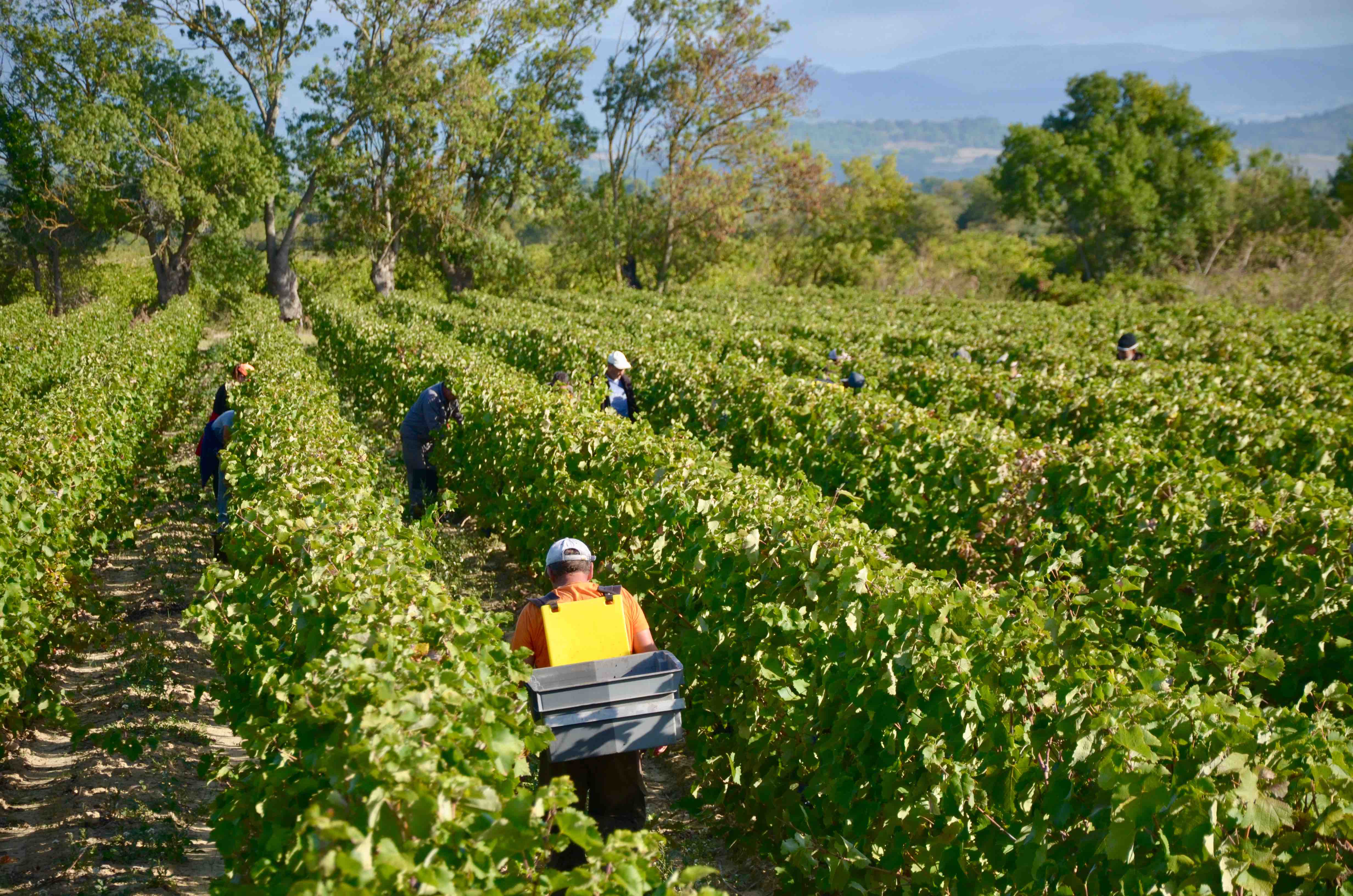
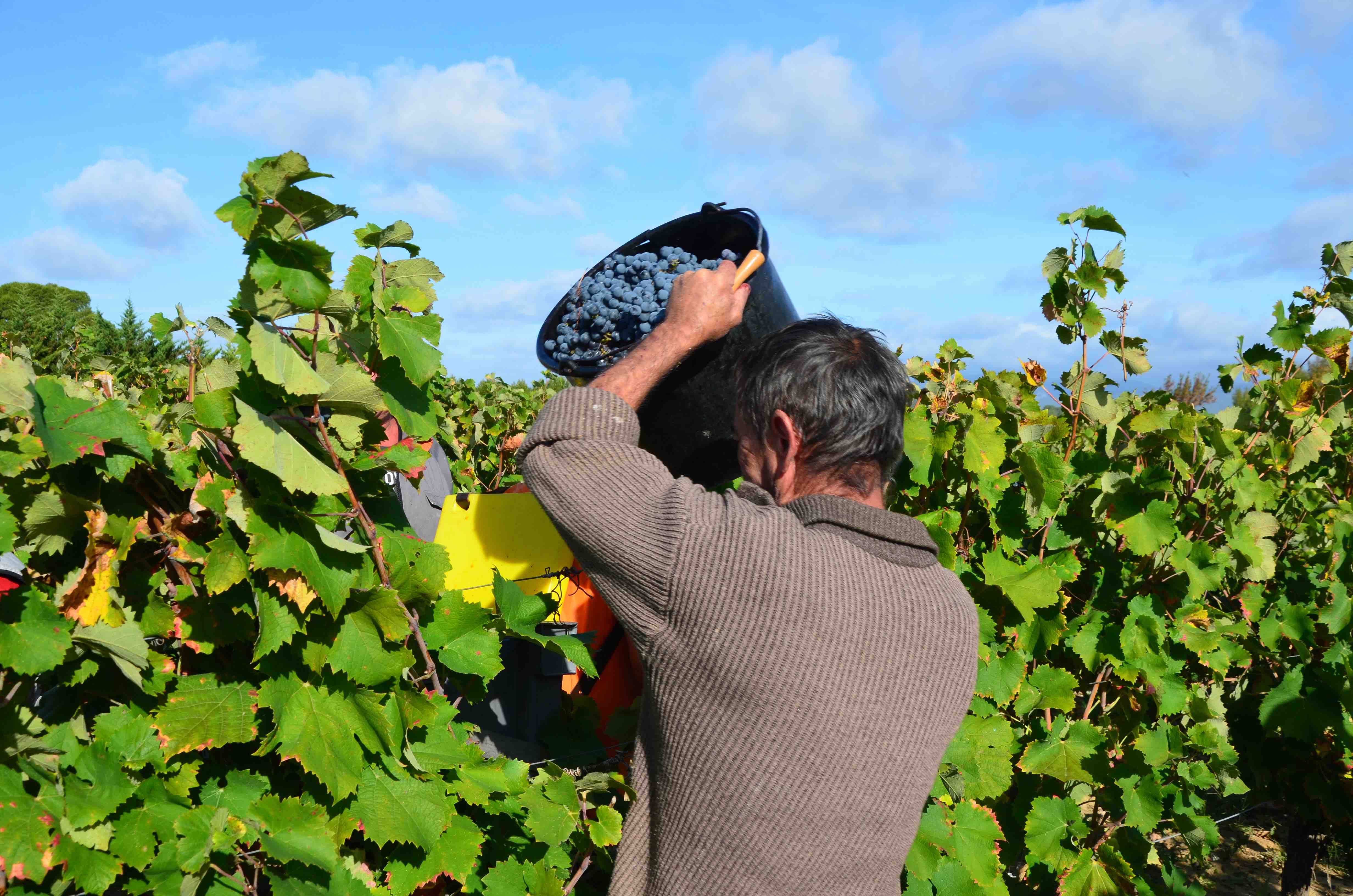
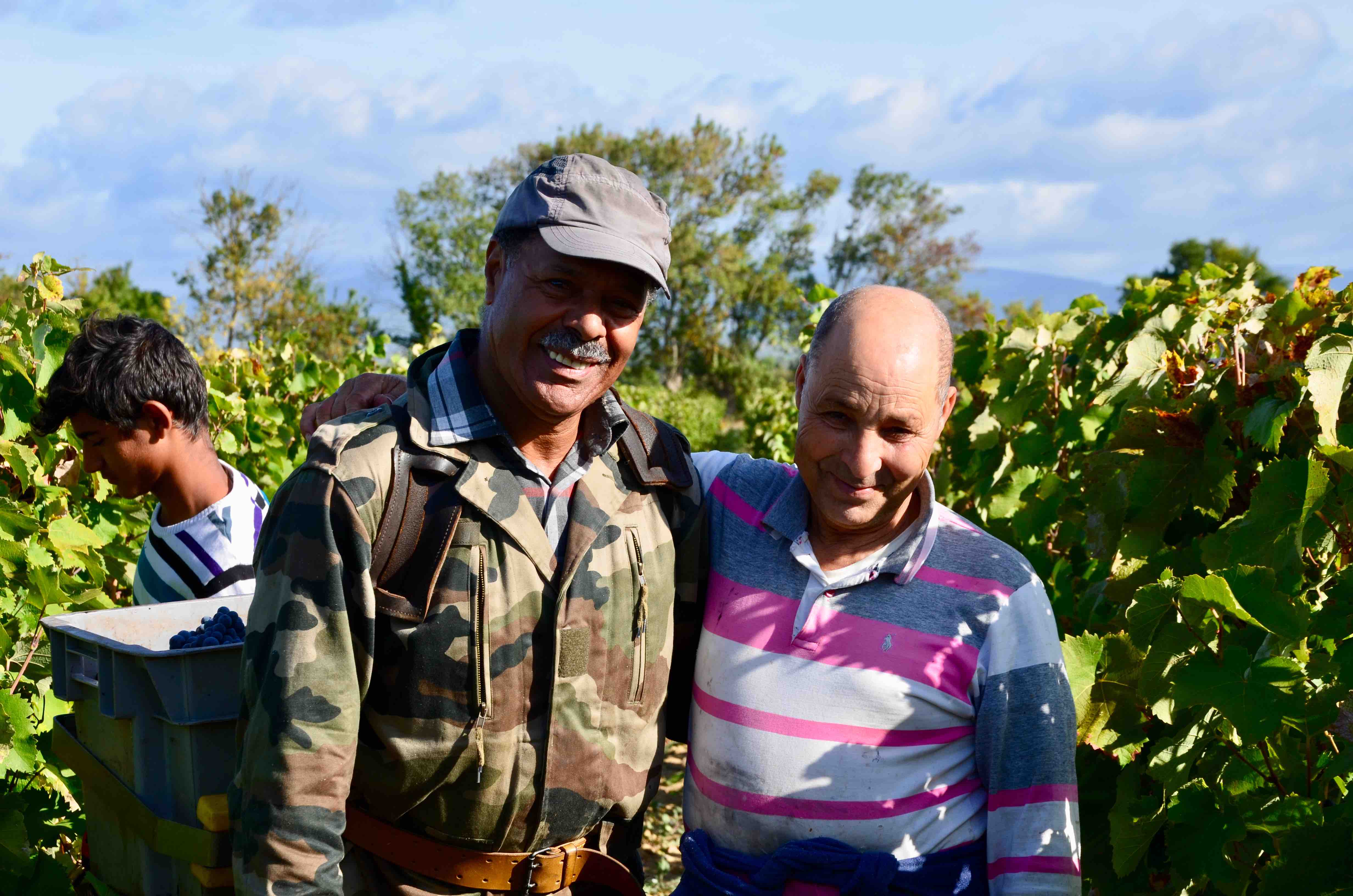
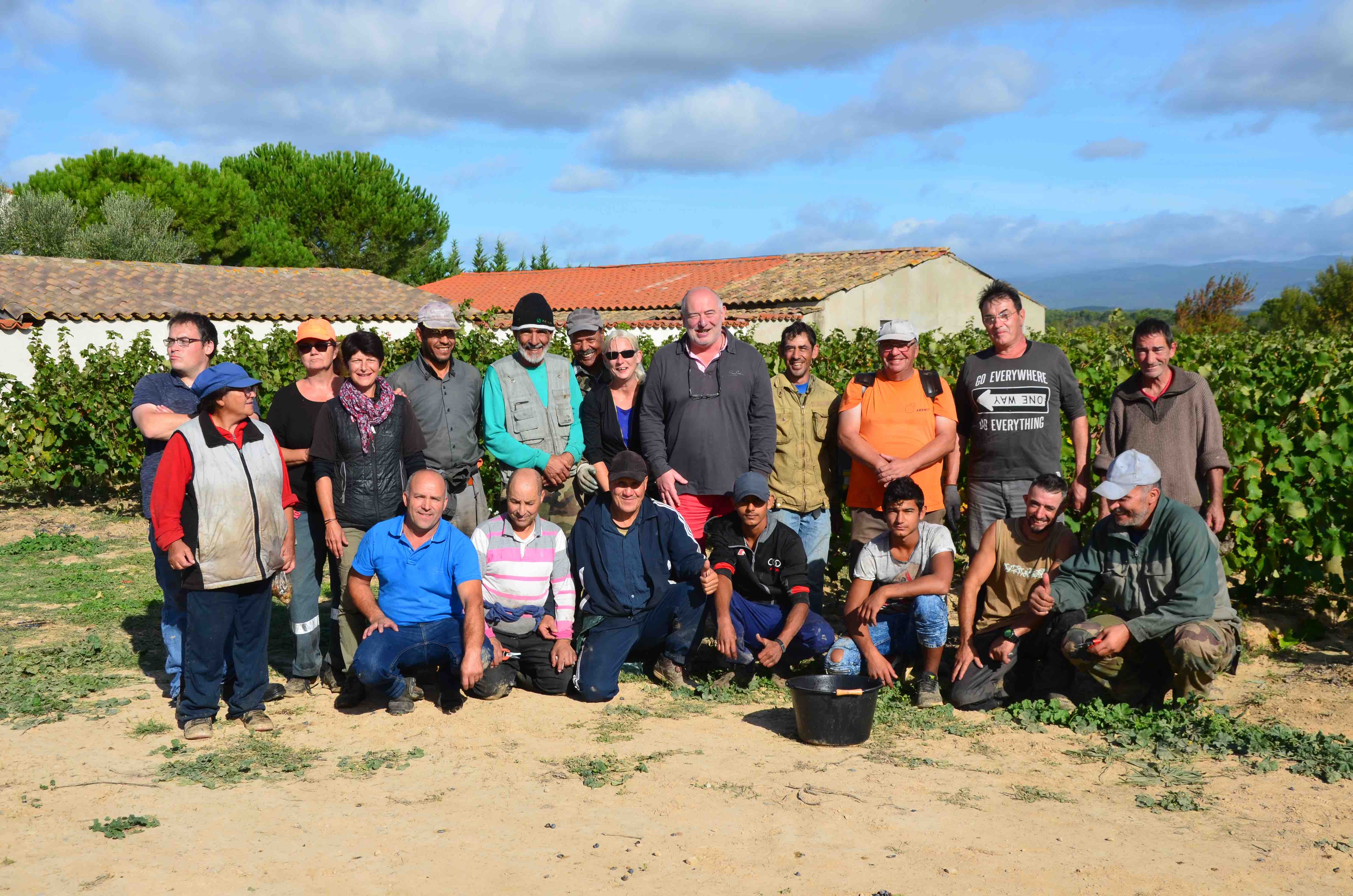
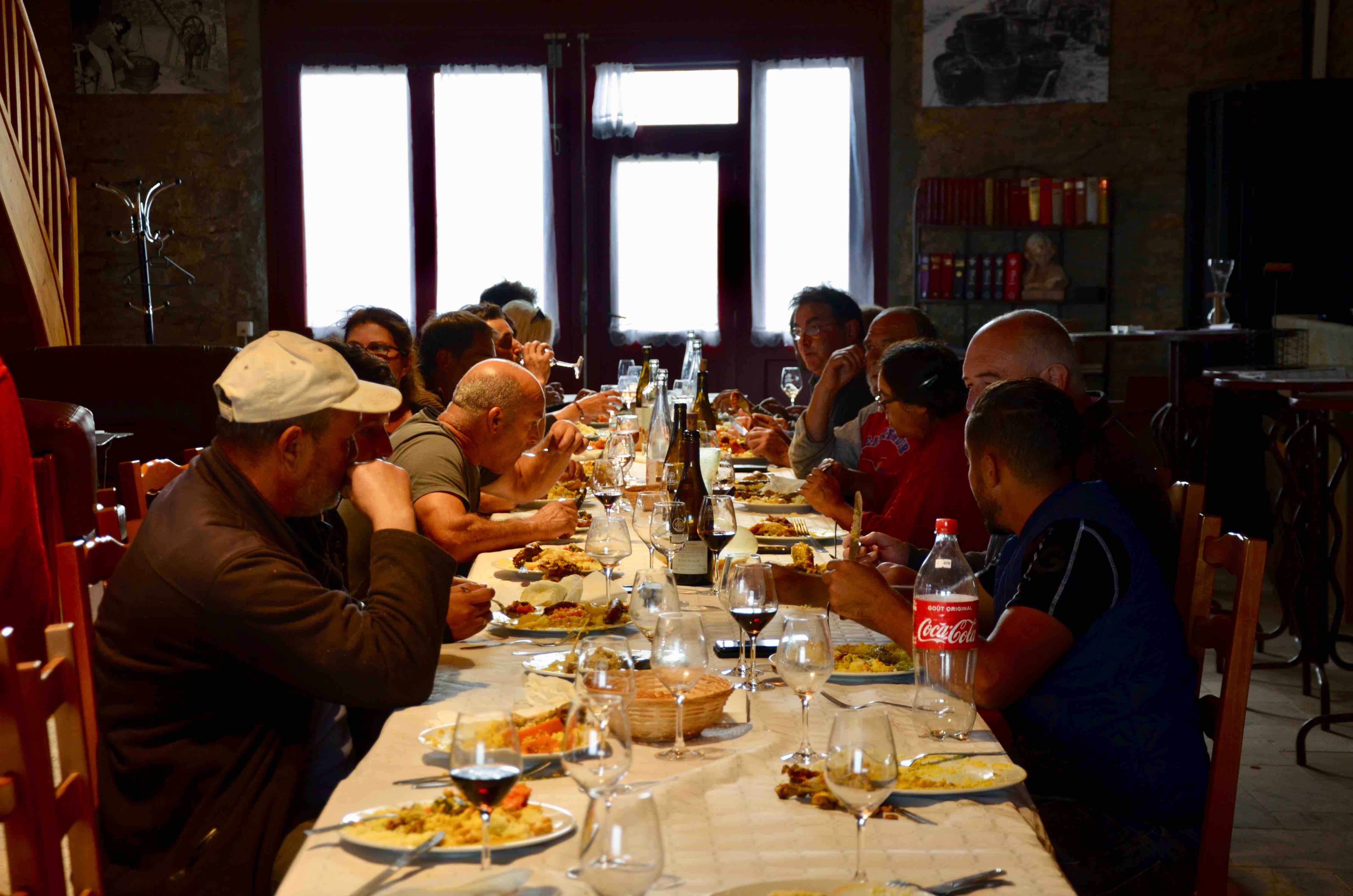
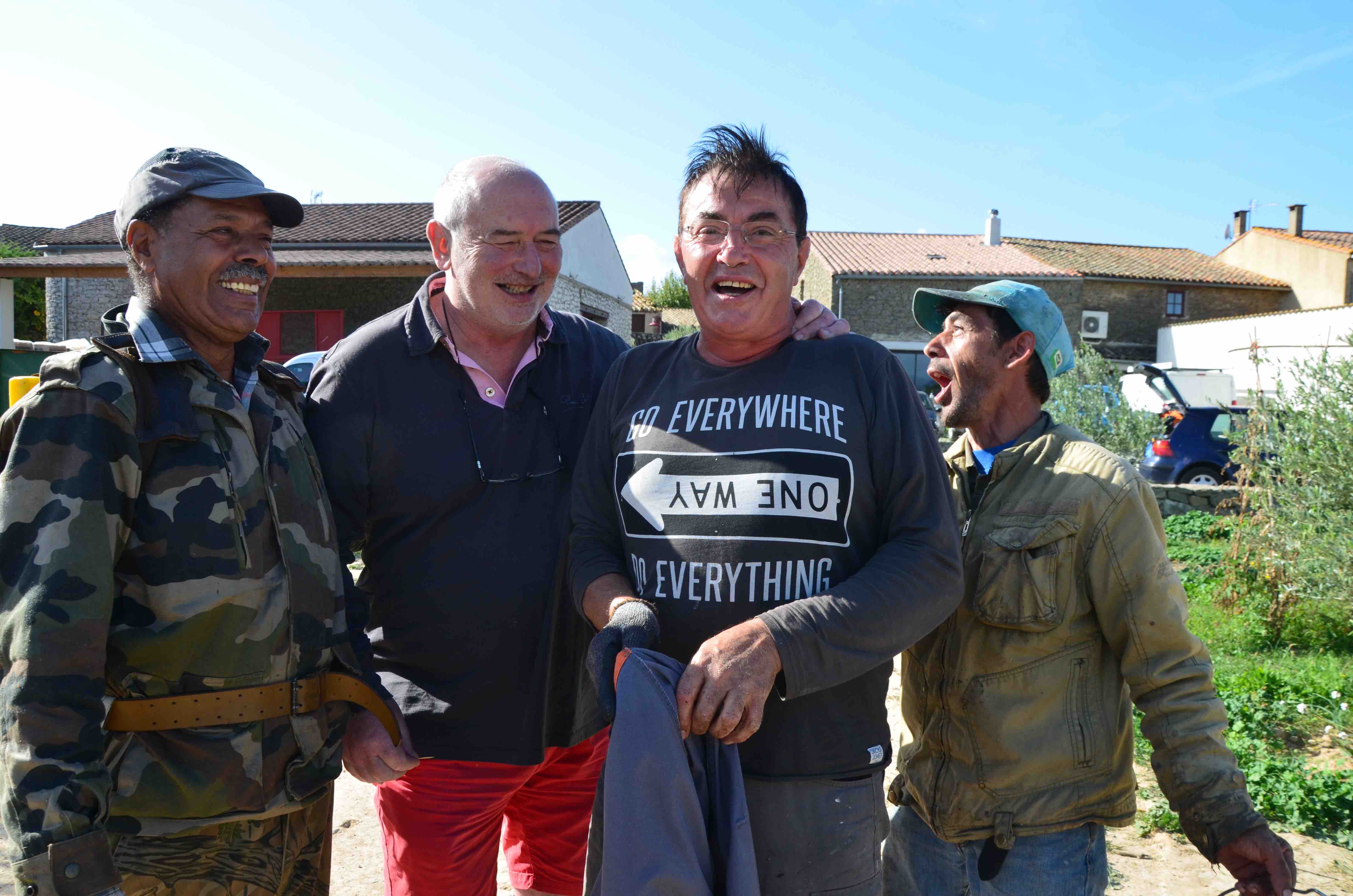
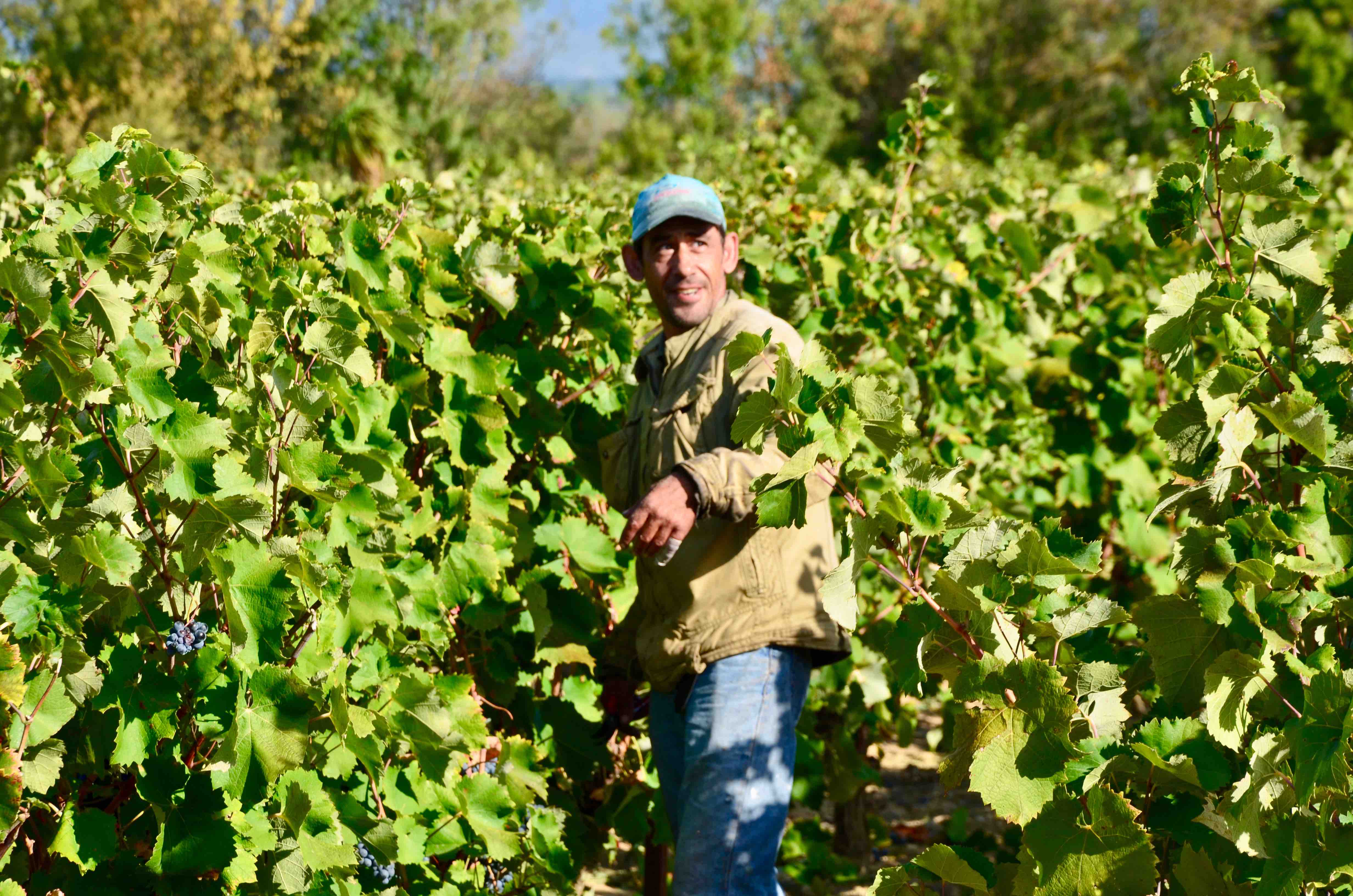
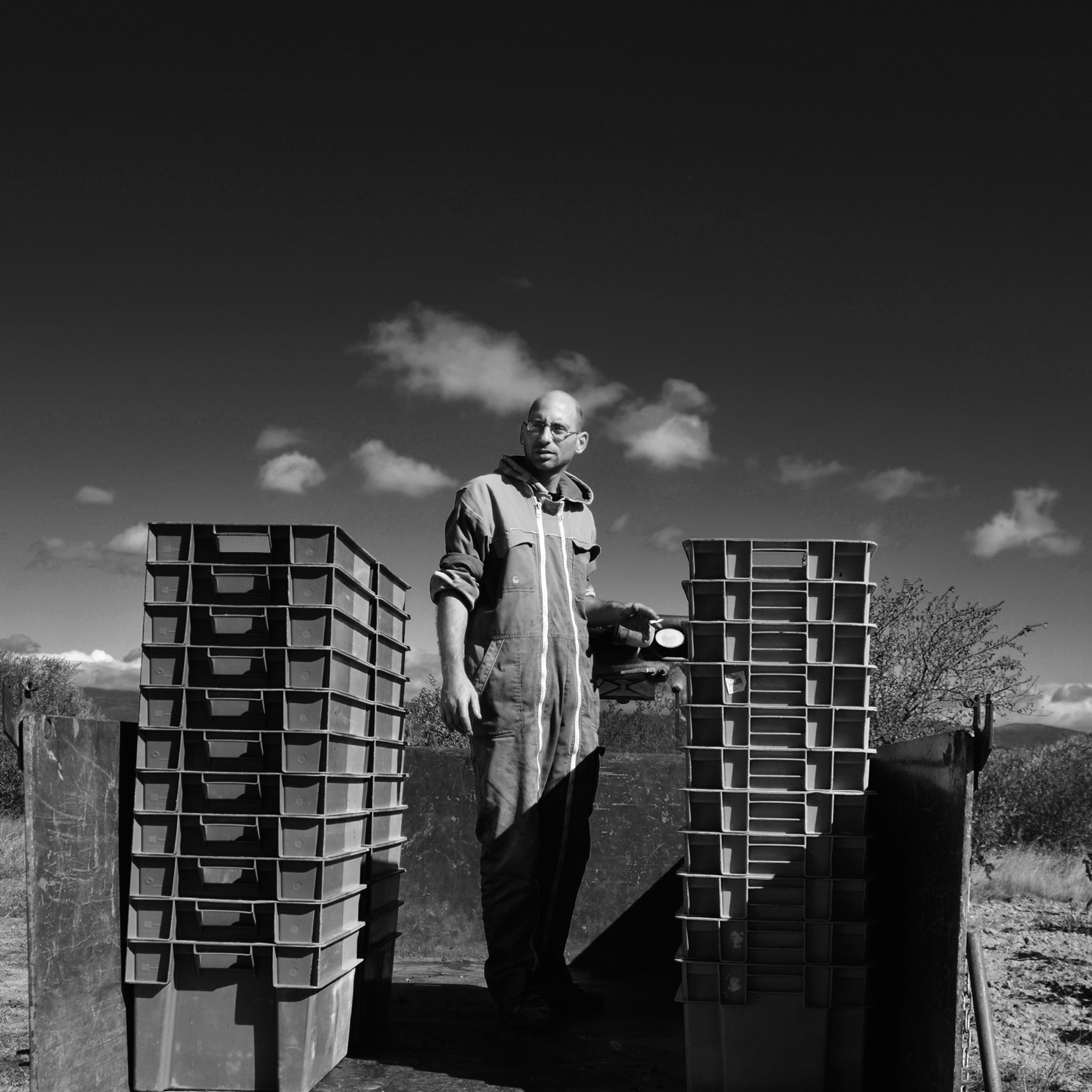
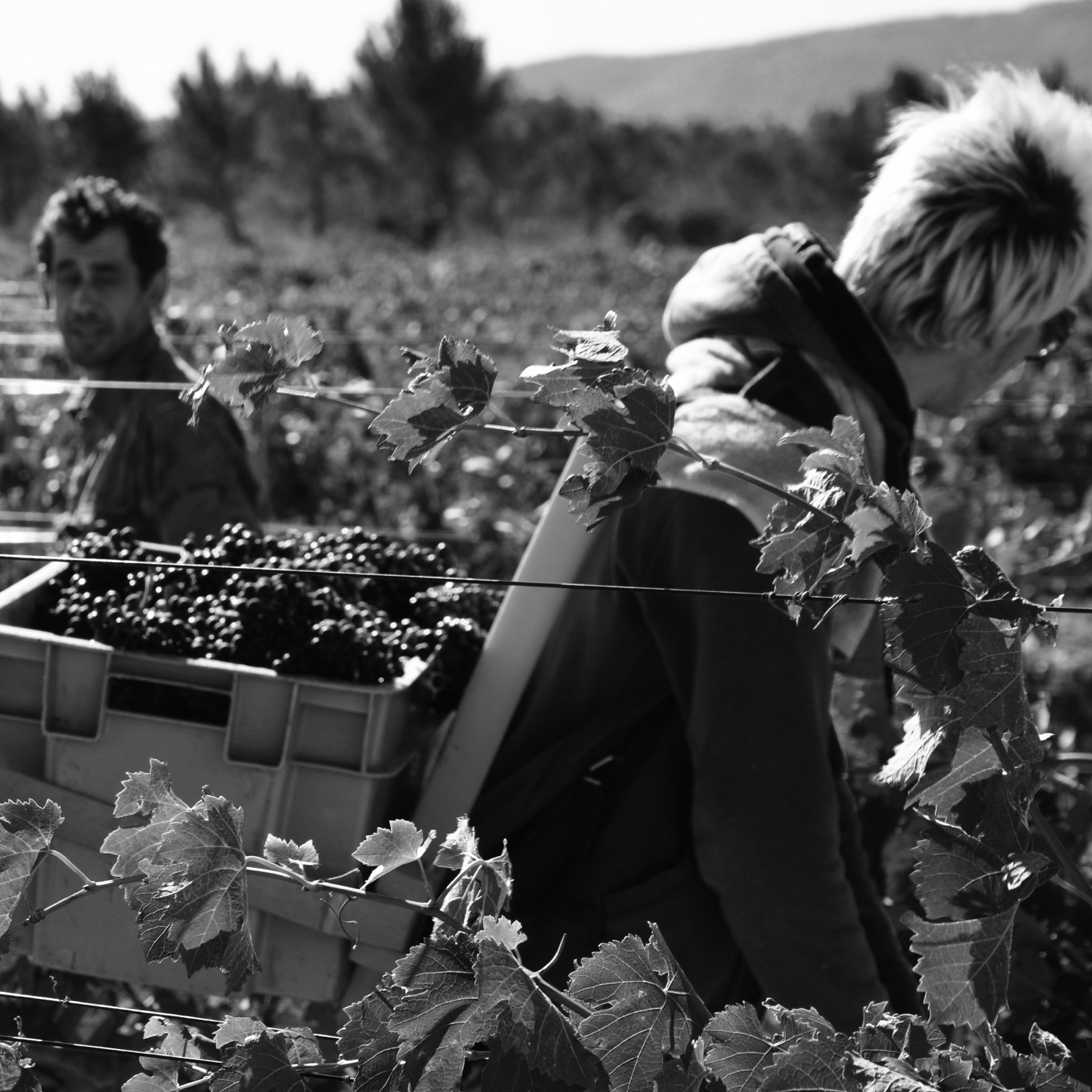
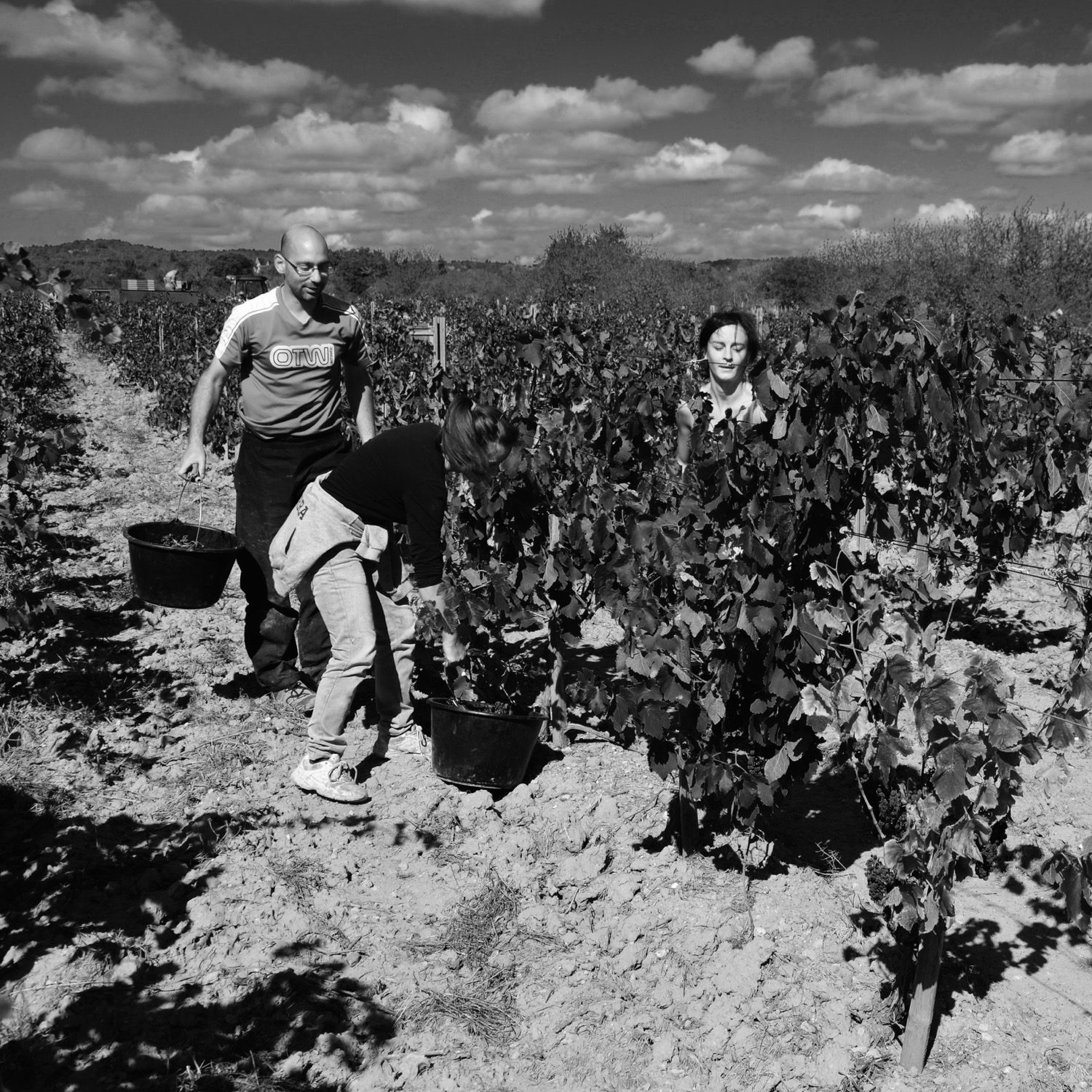
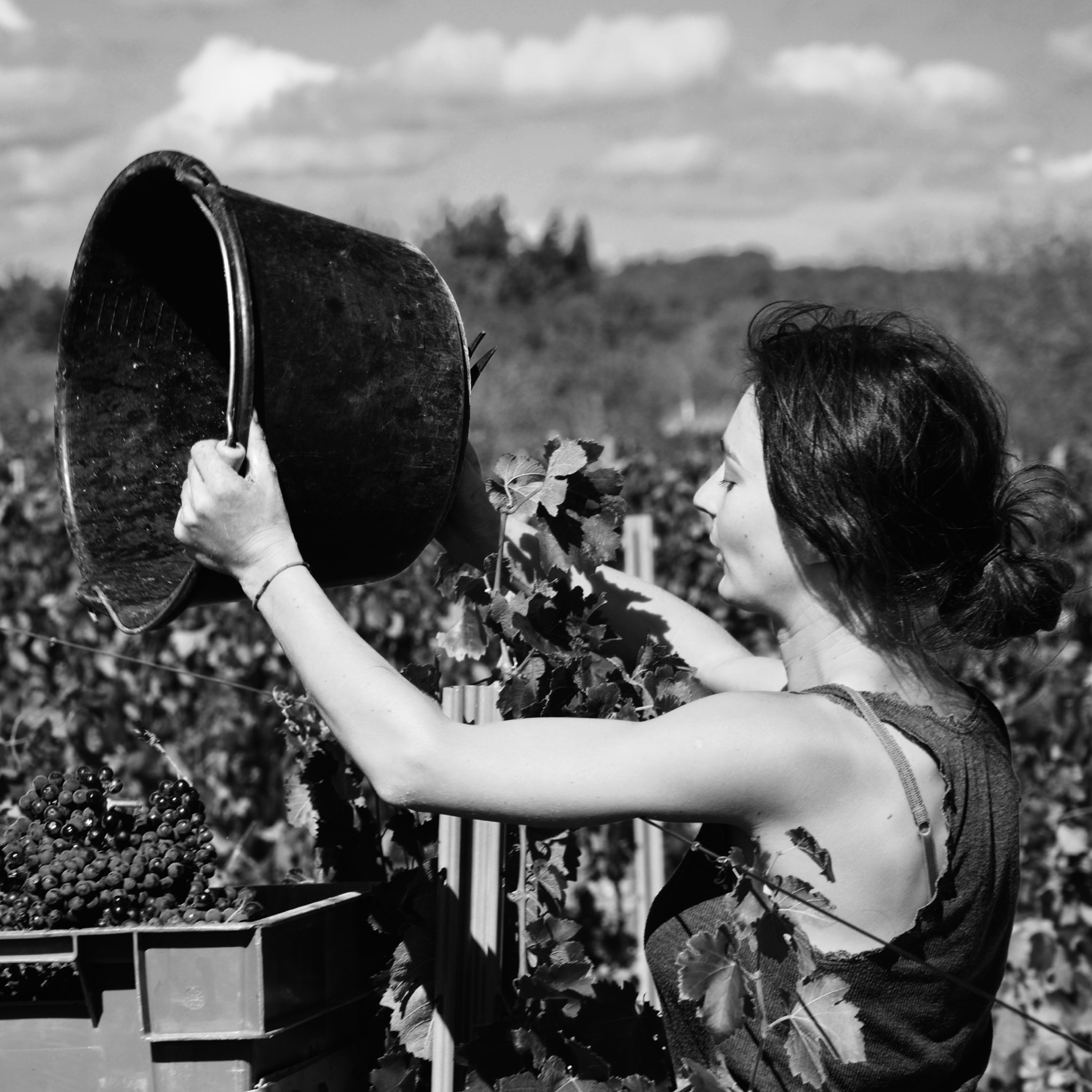
The hand-picking still to enjoys its reputation of being an “honest” and “socialising” operation. People from everywhere come together to work in the open air, share food and wine and generally have a lot of fun. Manual harvesting preserves a millennia of old craft and furthermore contributes to social life in rural areas.
Vendanger à la main
From a technical standpoint, handpicking allows screening rotten grapes. This is a very important point, because the quality of the crop generally is reflected in the wine. When whole crop fermentation has to be done, such as in the widespread carbonic maceration of Beaujolais and the Mediterranean area, a mechanical harvesting is no option, because only the human hand is capable of harvisting entire grapes.
Happier those who have no choice?
Sometimes external circumstances leave no choice to the winemakers. Hand-picking may be prescribed by law, as in the production of champagne or Crémant. In other cases steep terrain and terasses exclude the use of a machine. And last but not least, as the average retail price lays somwhere between 4 and 10 USD per 750 ml bottle, decisions are sometimes simply made by the accountants...
The good ones into the pot, the bad ones into the crop - Why to sort out the bad grapes?
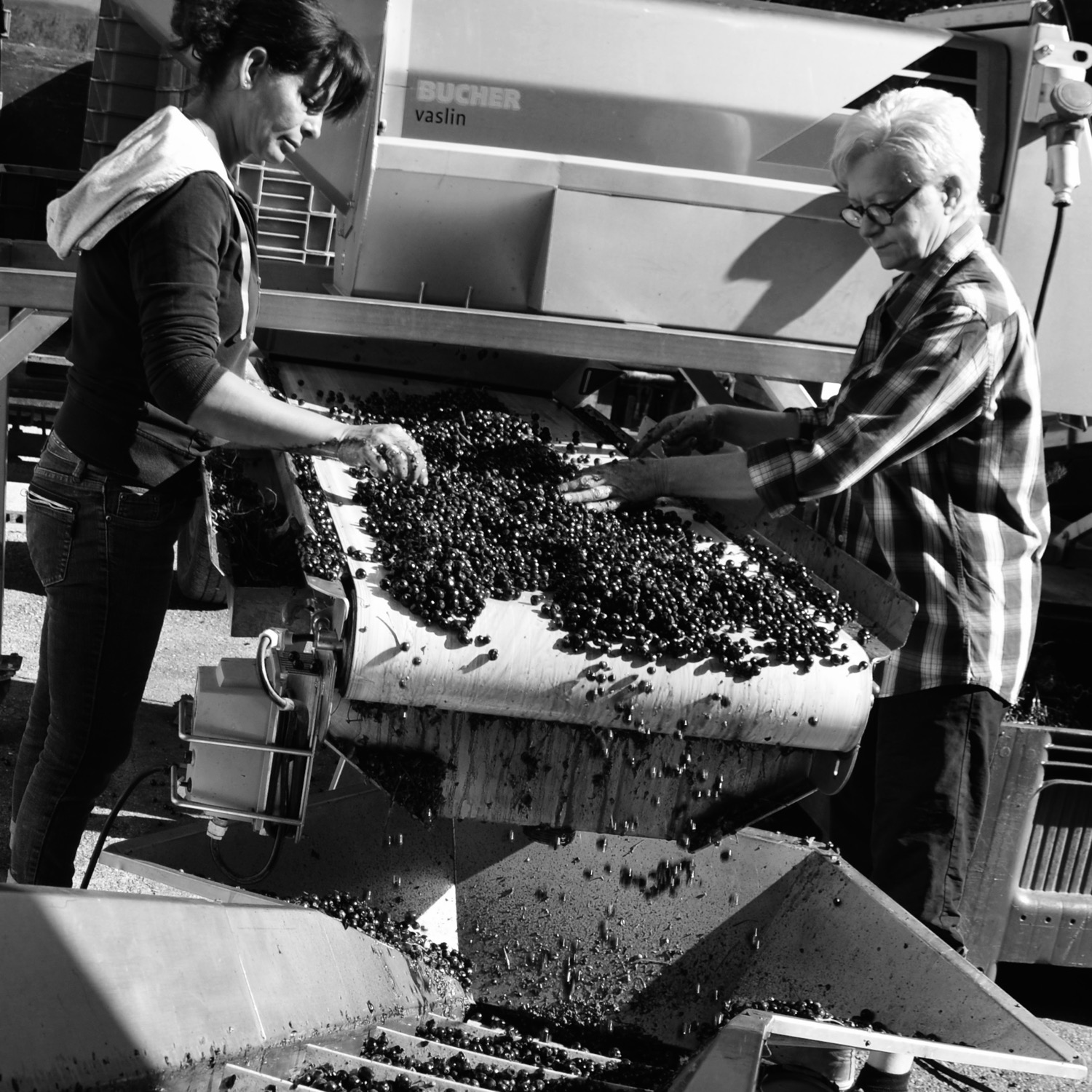
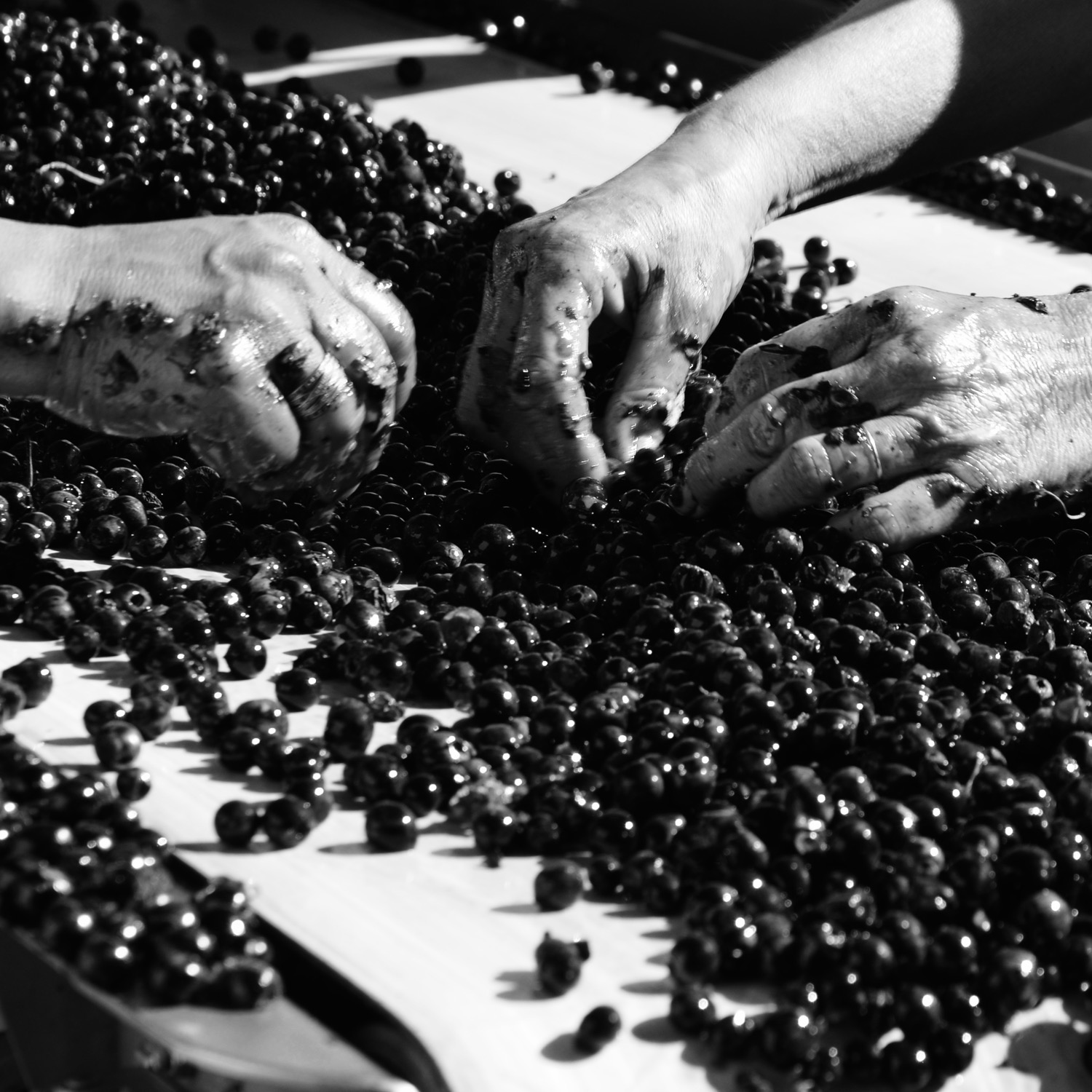
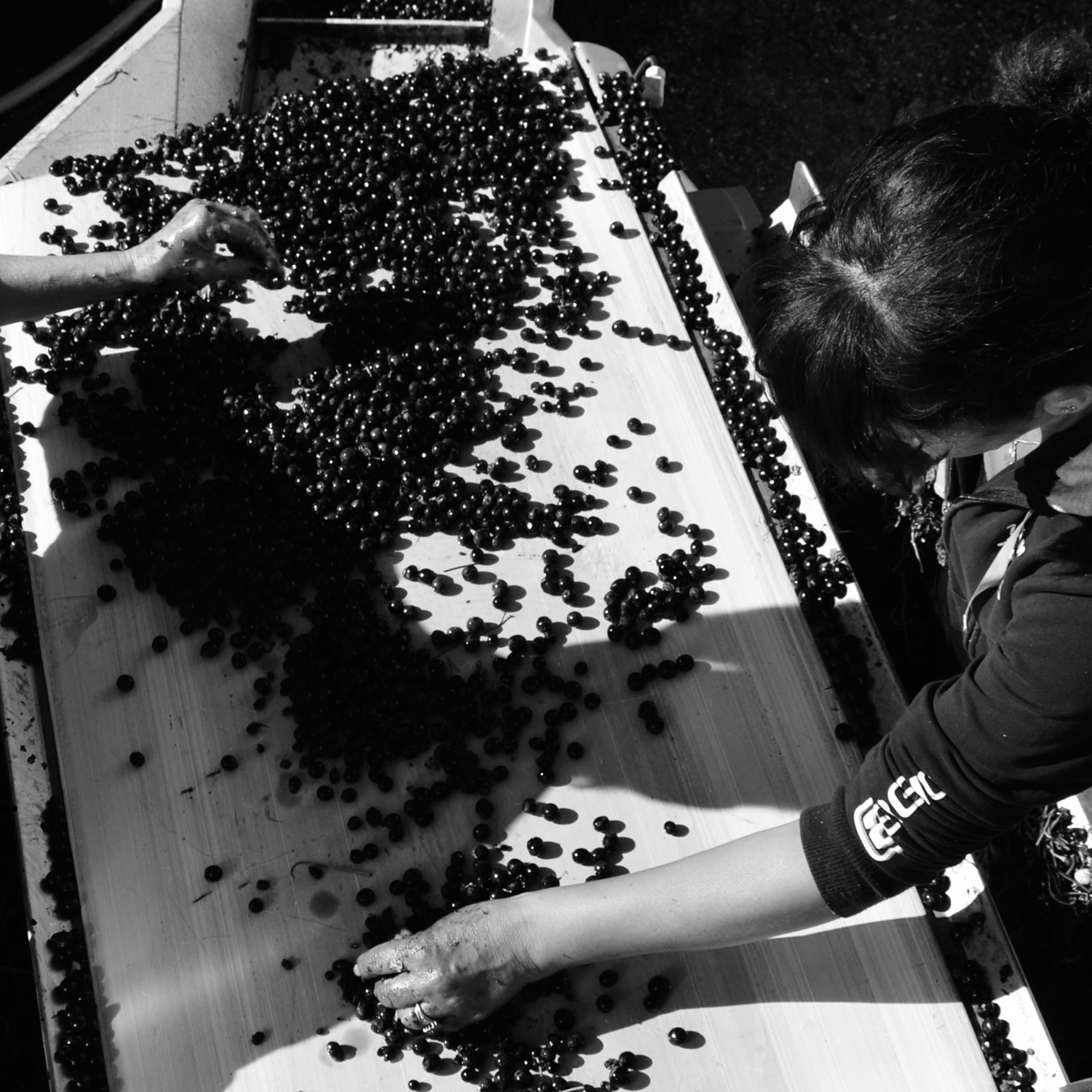
It takes good grapes to make good wine. But protecting a vineyard against the invasion of fungi and insects is not always an easy affair. So, close to harvest, you will always find a few rotten berries in a vineyard. Knowing that grapes in bad shape can innoculate harmfull microorganisms and provoke dubious flavors in a wine, you should better remove them before starting. Therefore, sorting out bad grapes is an excellent way to achieve proper crop quality in the cellar.
Tri de la vendange au Domaine Pierre Cros
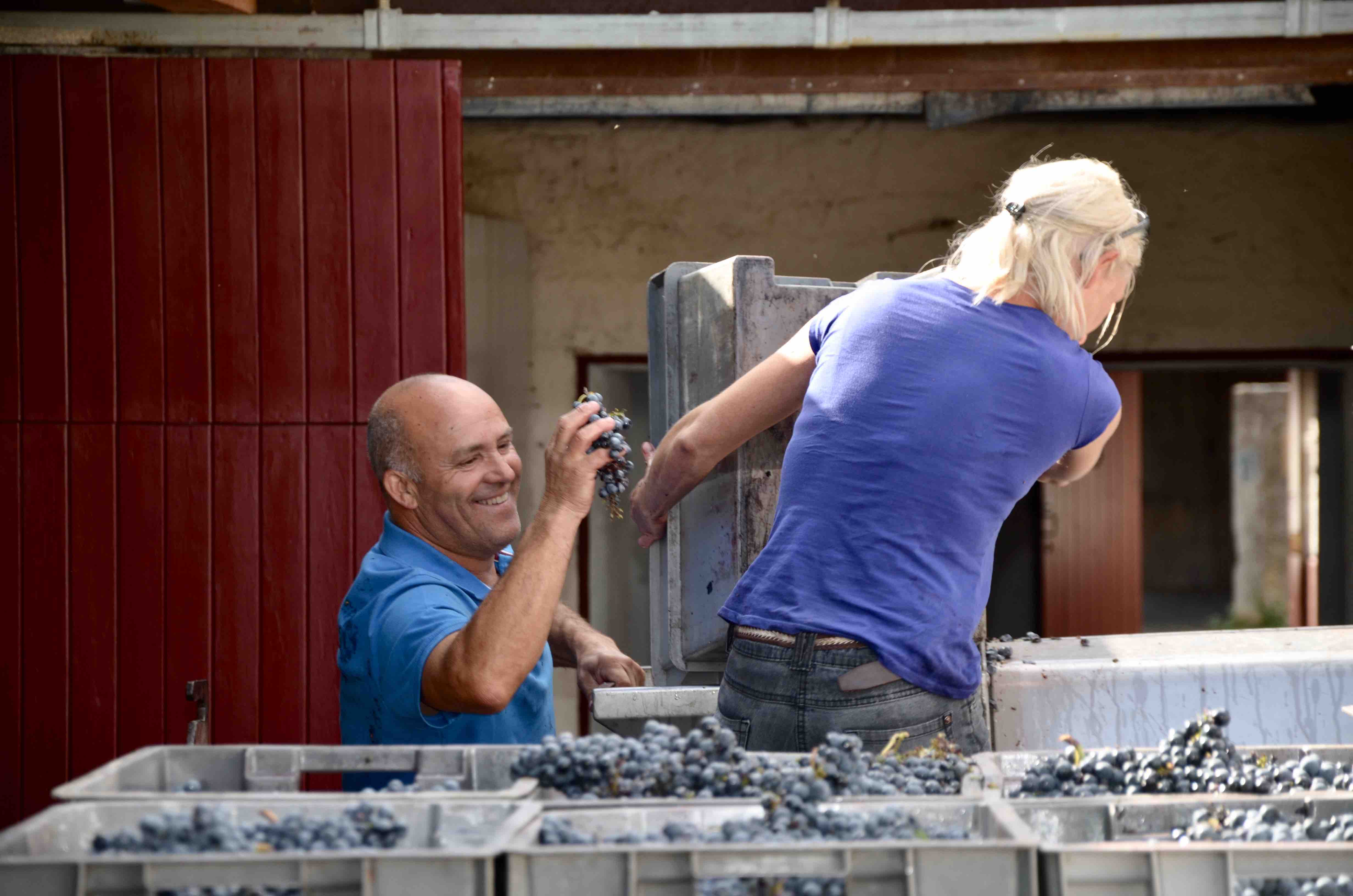
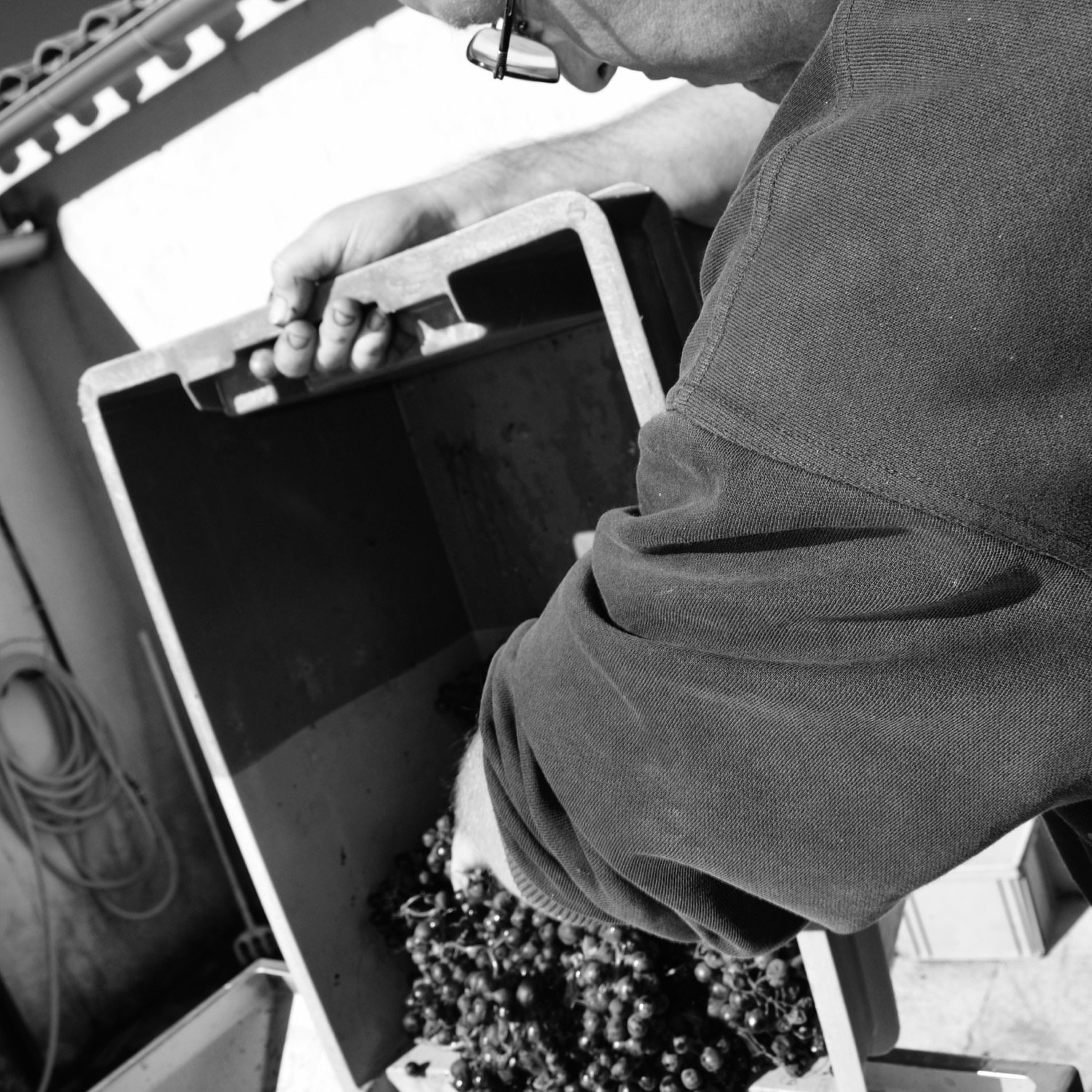
If picking is done by hand, sorting may already start in the vineyard: Rotten berries or parts of the grapes are being cut out and the grapes can even be re-sorted again in the boxes or on the trailer. In the winery sorting tables or automatic optical sorting systems may bring the work to perfection, giving the ideal starting point for wine production without problems (and probably even without sulfur).
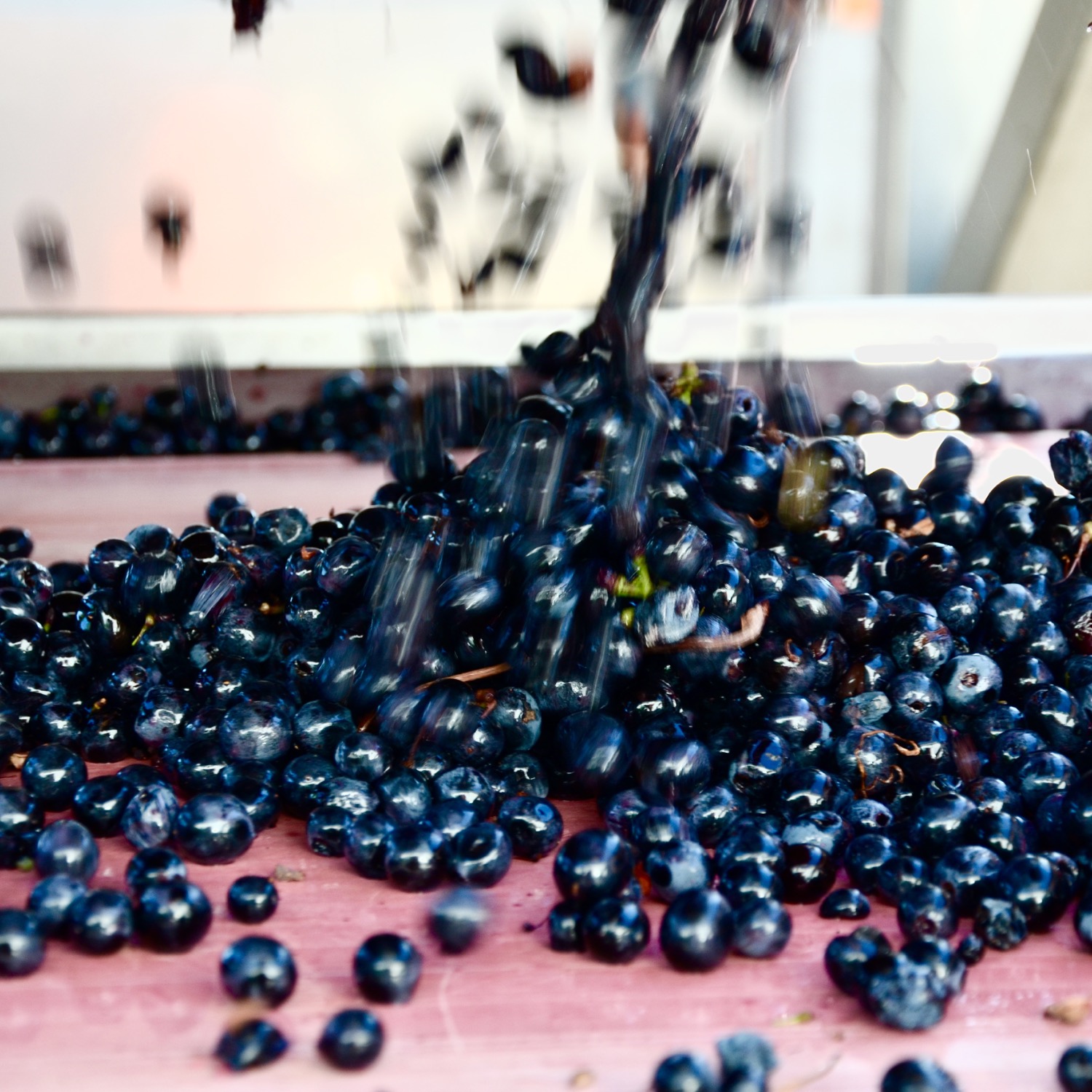
Today, modern machines are automatically equipped with a fairly efficient sorting system, removing any leaves, leaf stems and other plant parts that may have fallen off the vines with the berries. And nothing (except time and money) may withhold you from resorting the harvest again at the winery using classic handsorting or optical sorting to get a perfect crop.
The sorting of the harvest is therefore an almost unavoidable step for flawless, high-quality wine production and may even save harvest quality (but not quantity), especially in case of difficult vintages.
2015 - Manifesto of a lucky #vintage in the #Rhône Valley
Already during picking the grapes gave us an insight into the high quality of the vintage. Not concerned by this summers heatwave, the fruit showed a good balance between sugar and acidity, as well as extremely ripe tannins. While the vintage was still considered as being particularly precocious in spring, some highly welcome rainfalls in August brought us back to normal picking times. Tasting of berries, as well as the first fermentations promised a particularly harmonious vintage.
According to our philosophy of respecting the freshness and flavors of the fruit, we fermented the grapes at low temperature without ever exceeding 25° C. Along with a relatively short maceration of 12 to 18 days, this allows to preserve the delicate aromas of Grenache. The first attempts with 800 L clay jars to age our wines in the past year are extremely promising. We have therefore decided to continue to equip our aging cellar for the vintage 2015 with more jars.
a few days before harvest, we would like to share some thoughts about the vintage 2014, a crucial year in our wine production. During the last harvest, we fermented several tanks and even some barrels of the Cuvée GC without addition of sulphur. Approximately 70% of our grapes were transformed into wine by natural yeasts through this vinification “without safety net”. Today, almost twelve months later, the reaction of the wines is still surprising: The expressiveness of the fruit is amazing, the grapes dominate everything.
Added sulphur acts like an antibiotic, standardizing the wines. We started our experiments with sulphur-free wine making already in 2004. It’s above all a learning process, not only in the cellar, but also in the vineyard, as only healthy and balanced grapes, here from organic farming, allow making choices.
degustation Pascal
Breaking free from sulphur under appropriate precautions opens new perspectives of wine quality. One discovers an unsuspected range of aromas (sulphur covers the flavours), tannins of great delicacy and a large ageing potential, because everything has been done to give the wines a natural resistance to oxidation. In addition, the wines seem to be much more digestible.
The balance of the first decade of sulphur-free winemaking is very positive and encouraging. The vintage 2014 even gave us the possibility to produce a first, new sulphur-free wine. A Cahors “Extra Libre” (Extra free) that will be available from October. A truly charming, elegant and soft wine, made from the same vineyards as the “classic” Château du Cèdre. A wine that encourages us to continue on the path we choose over the next few years, towards ever-lower sulphur addition in all our wines.
We wish you a pleasant autumn,
Sincerely yours,
Pascal and Jean-Marc Verhaeghe
A serious consideration - what’s OPTIMUM grape maturity? #wine #harvest
This is a topical issue at the moment as thousands of pickers are preparing to harvest the next vintage. Above all, OPTIMAL maturity is a purely theoretical value, because it mostly depends on the style of wine that we want to create. Beyond that, OPTIMAL maturity is indeed linked to factors such as grape variety, climate, terroir and weather conditions, and last but not least to the skill and chance of a winemaker or vintner.
la maturité du raisin
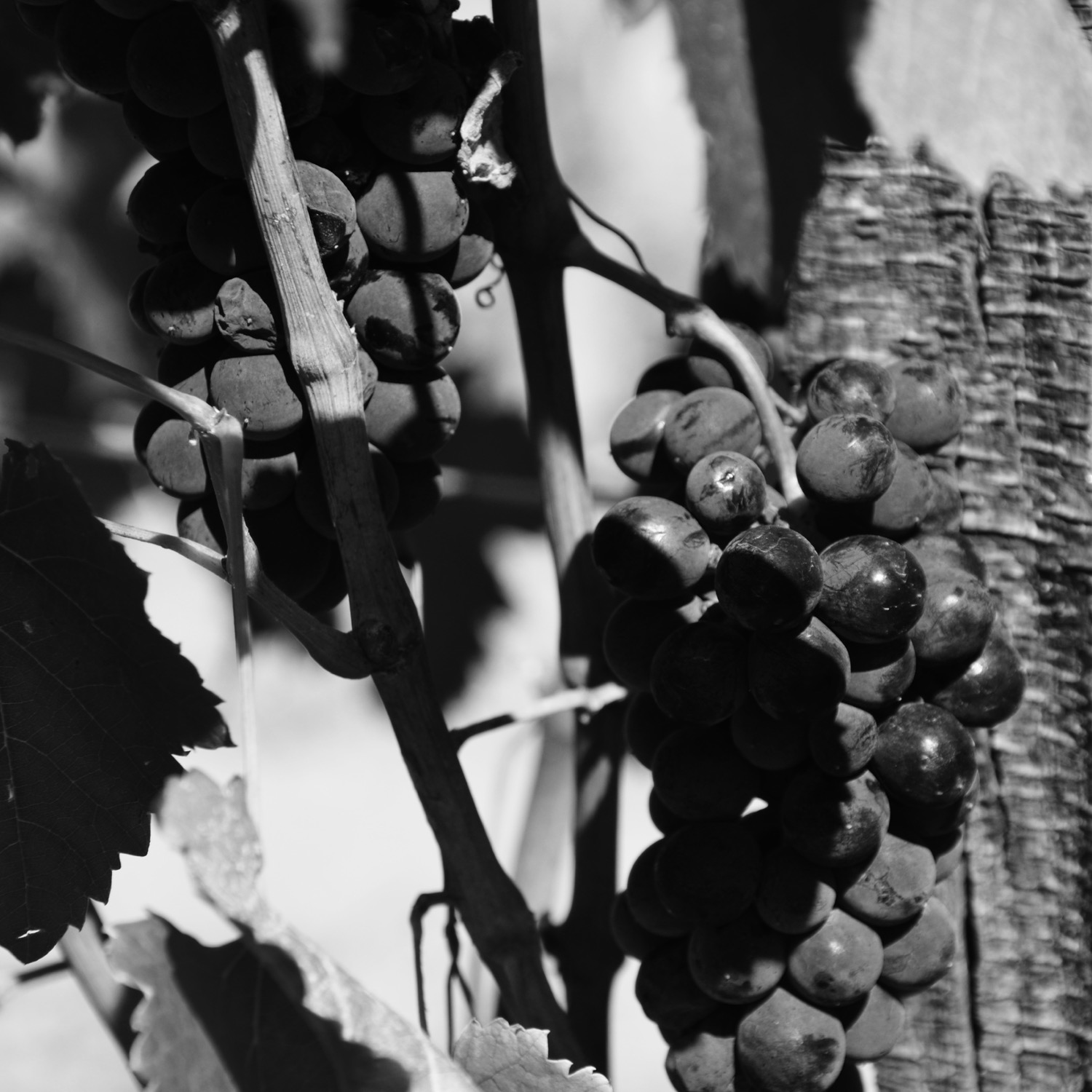
Different components of the grape may be of interest for the winemaker at harvesting time. There are obviously the sugars and acids, but alsoethe primary aromas, anthocyanins (the red colour of grapes) and optionally the tannins. All of them molecules we might want to rediscover in our wine. They all start ripening from veraison on, but not necessarily at the same speed. The sugars increase, acidity decreases, the amount of flavors is growing and diversifying, tannins are increasing in the skin and seeds and become more palatable. But a large amount of sugars frequently is achieved early, while the tannins need more time for ripeness. Depending on the desired wine, winegrowers and winemakers at a certain point have to take decisions and choose tastefull and balanced grapes, according to the wine they want to make. Because OPTIMAL maturity is, above all, a matter of taste and balance!
An example ? GRENACHE NOIR allows both to develop great wines for aging, as well as pleasant and very drinkable rosé wines. In the first case, the winemaker will primarily be interestd in the maturity of the tannic structure. In the case of rosé, fresh flavors and a balance between sugars (which will become alcohol) and acids will be critical. Grapes intended to be used for rosé making will therefore certainly be picked earlier than grapes for making a fullbodied red GIGONDAS or MINERVOIS wine.
In summary: According to ripeness, each variety allows to develop different styles of wine. As the soil, the climate and the vintage have a more or less strong influence on the ripening of grapes, it’s up to winemakers to choose the OPTIMAL maturity, and set the ideal harvest date for their “dream wine”.






 RSS
RSS