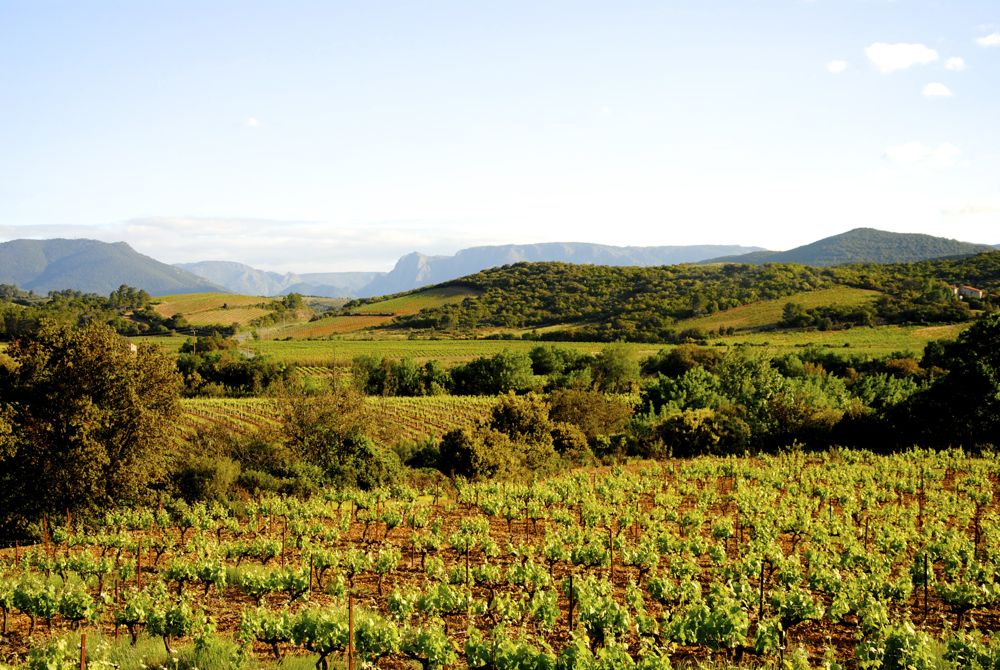
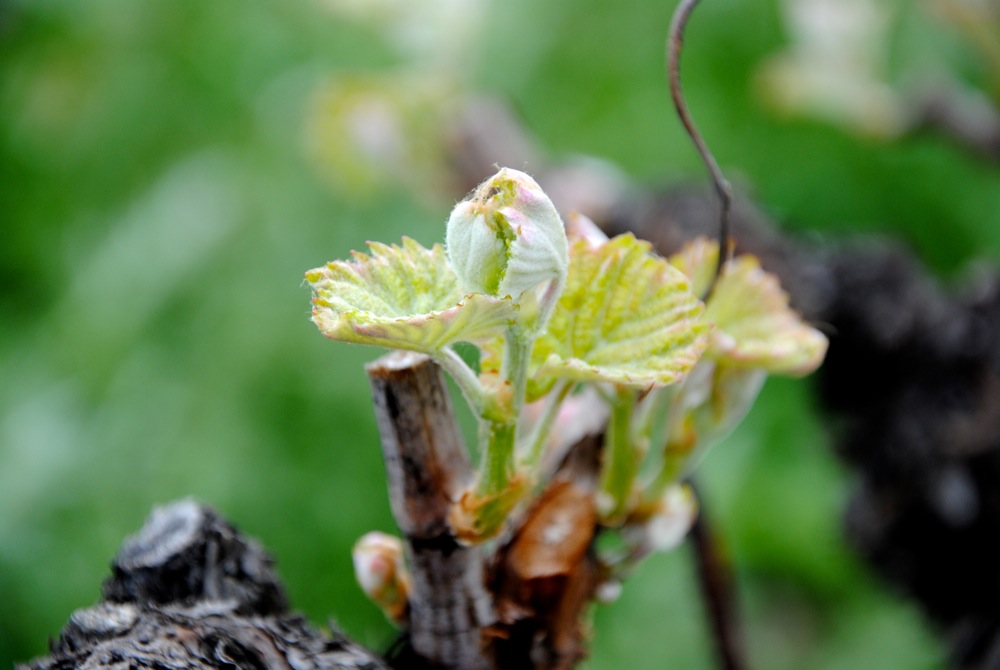
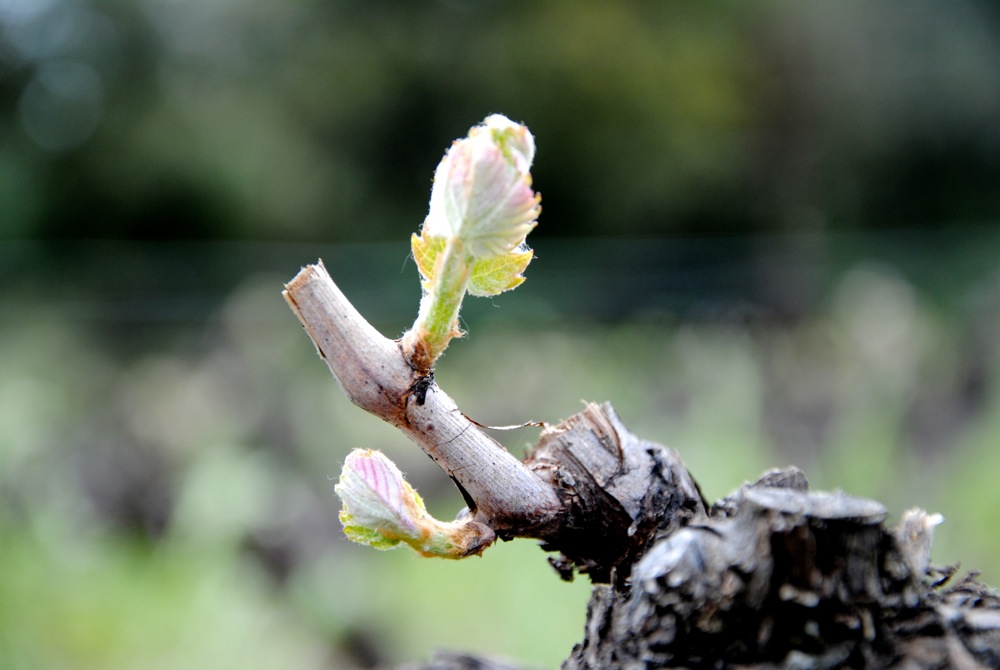
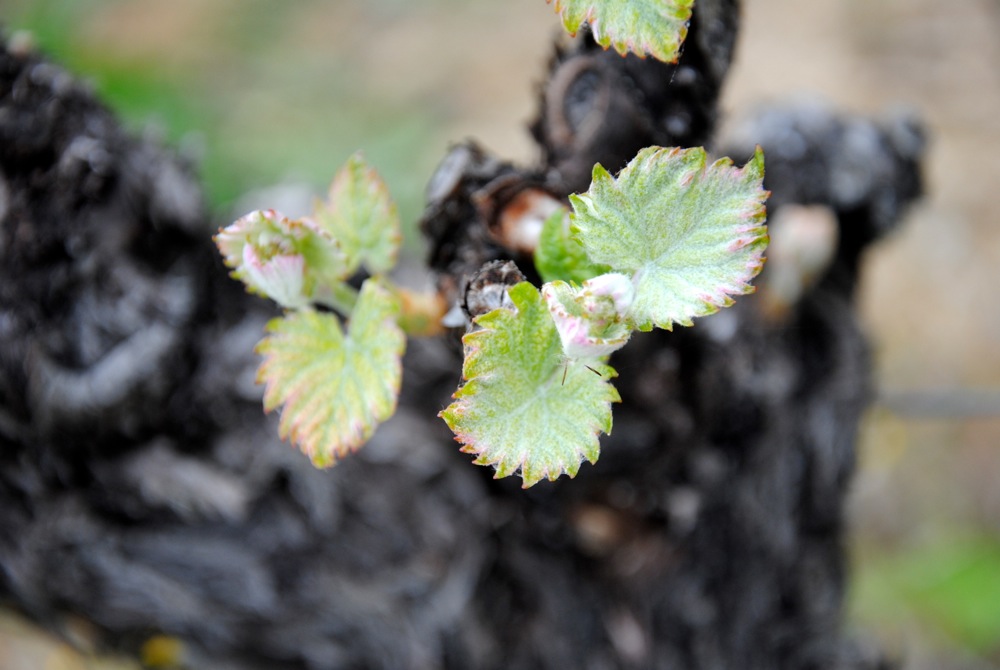
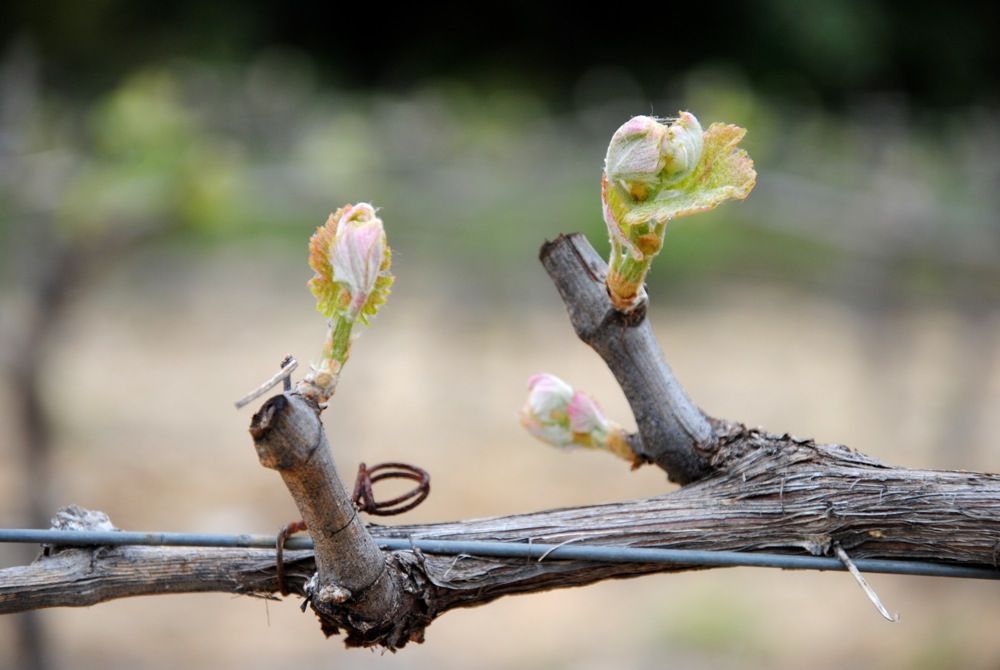
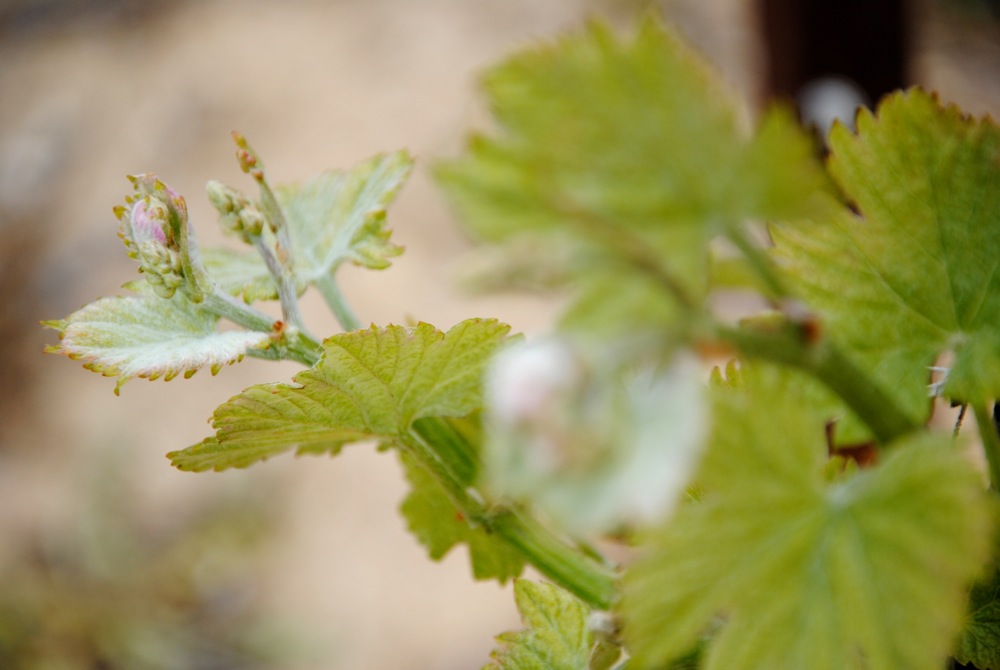
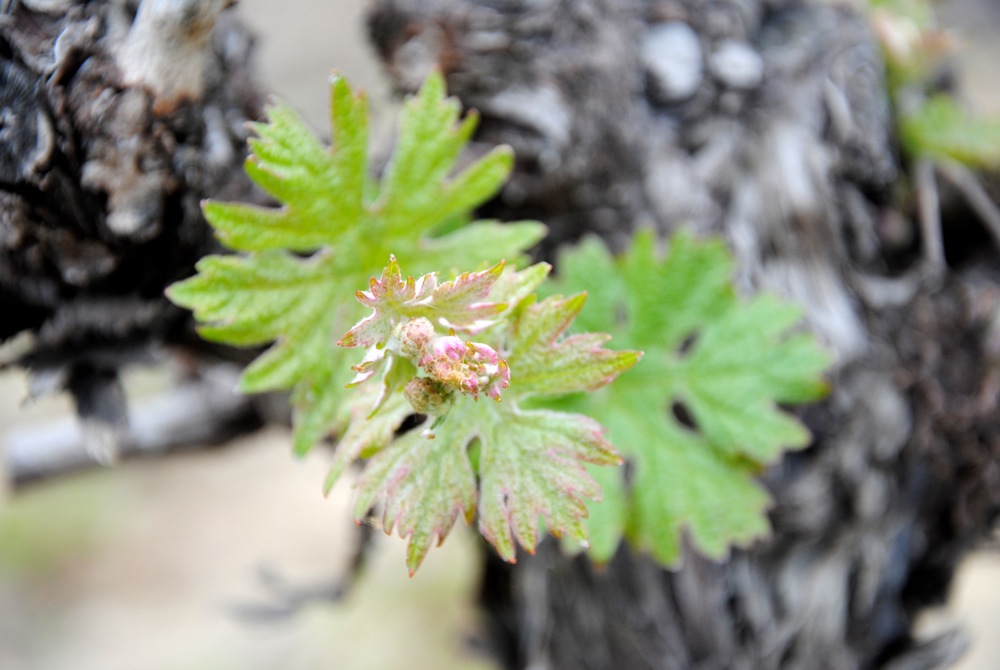
Being rather ahead since the beginning of the year, cooler nights seem to have slowed down the growing of the vines since two weeks. In southern France we are somehow back to a “normal” vintage now. Now that flowering has started, we cross fingers for good weather conditions, without any excess. For the moment forecast looks rather good…
Sweet dreams from Languedoc: An advocacy for Cartagène wines
You may know a different name for this type of wine: Ratafia, Floc de Gascogne, Pineau des Charentes...
What do they all have in common? They are all so-called liquor-wines (vins de liqueur), traditionally called “Mistelles” in France, made from fresh grape must. Different regions, different names but a common tradition: Prevent the must from fermenting by adding brandy or pure alcohol (up to 16 %vol - 22% vol.) to the fresh must.
Thereafter, the fortified must is laid to rest in big glass bottles or in oak barrels for several weeks, months or even years. In fact, these types of wines sometimes show an amazing aging capacity. I had this experience only a few weeks ago, when a friend told me to come over for a tasting of a long-forgotten bottle of his cellar. The label was completely gone, but he knew that it had been there for at least 16 years. Besides the syrupy, golden and amber coloured aspect of the wine, the real surprise came up when I plunged my nose into the complex bouquet of the wine: heaps of fresh mirabelle, delicate fragrances of white flowers, acacia honey, some dried apricots, as well as raisins and rum…
Though, thick and full-bodied on the palate, it showed astonishingly crispy acidity, that carried the well known aromas of the nose, enriched by some sweet oak flavours, towards a very long final. A genuine taste bomb! A wine to savour on its own or together with some noble products, like chocolate, a Tarte Tatin, blue cheese or cigars.
Still having the after-taste of the wine in my mouth, I can only regret the loss of the tradition of making liquor wines in France, as not that long ago, almost every cellar produced these wines as a by-product. So if you are amongst the happy-ones, who still have some old and forgotten Ratafia or Cartagene in your cellar, be sure to plan a tasting with some good wine loving friends soon!
Old grape varieties and ripe wine – Les Mal Aimés 2003 from Pierre Cros
These days, we drink less and less old and ripe wines . A study of the Wine Enthusiast in 2011 showed that “the vast majority—something like 90% or more—of wine purchased in this country (USA) is being consumed within 48 hours after purchasing”. You are right, this study is about the US wine market, but wine-drinking behaviour might be similar in all western countries.
In any case, there is always something exciting about opening an old bottle of wine you somehow forgot in the cellar. Even more, if it’s a bottle made from old grape varieties, that not so long ago had a reputation of being “unworthy” and “bad” . For more than a decade old grape varieties, have proven their quality in this cuvee called “Les Mal Aimés” (The unbeloved).
As expected, the wine shows a light orange-red colour and a slight depot. The nose is rather intense and complex, with smells of plums, smoke and herbs, as well as some spices and light fragrance of elder blossoms. Smooth on the palate, still with crispy acidity and velvety tannins coating the palate. Generous as a 2003 wine should be, it finishes on savoury stewed black fruits. A wine you should taste in silence, late at night…
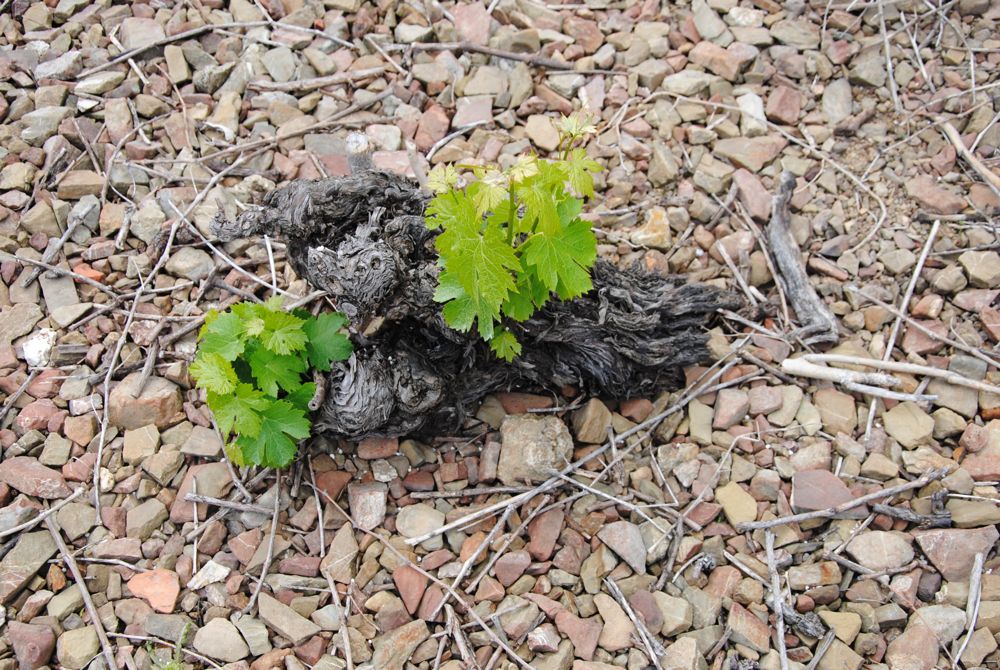
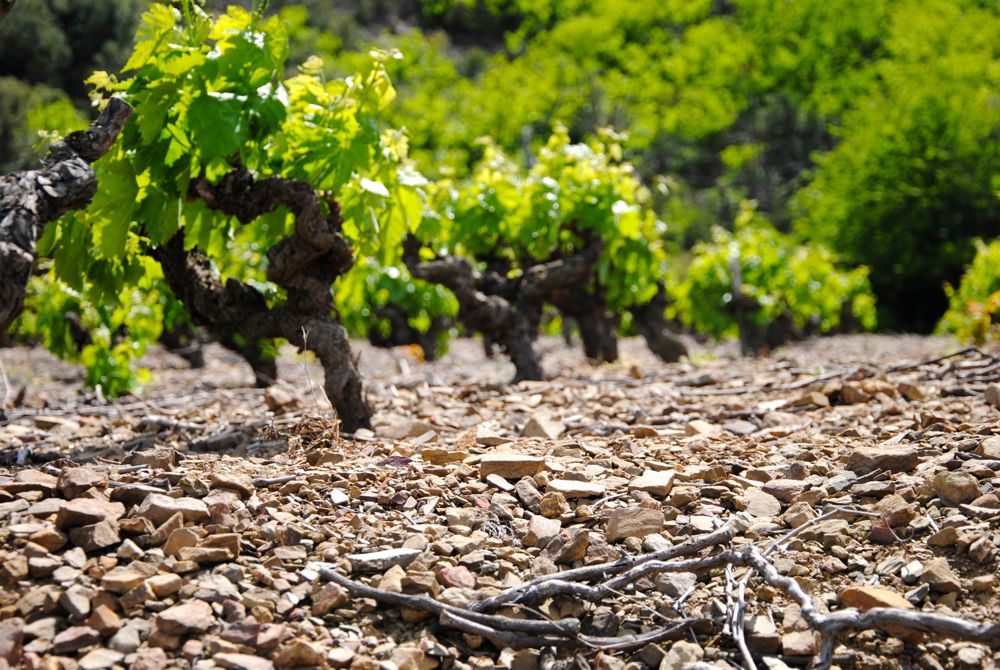
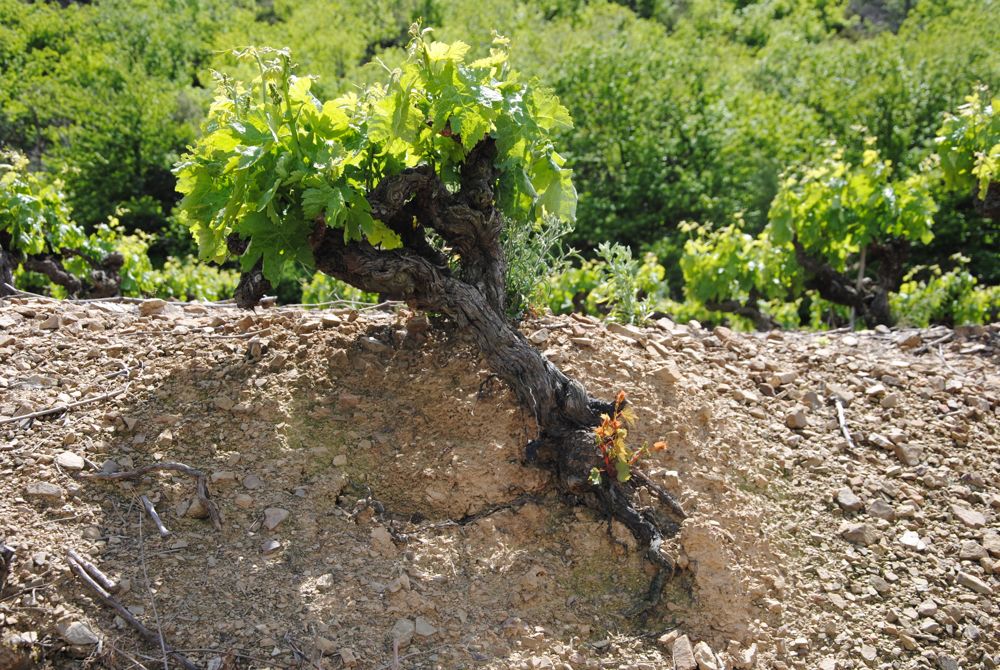
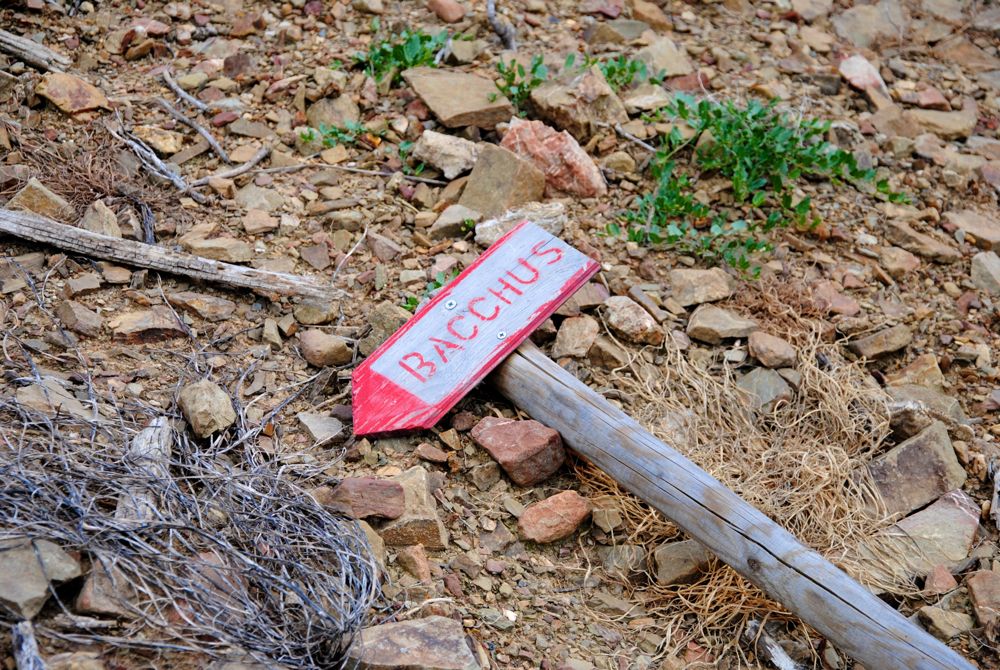
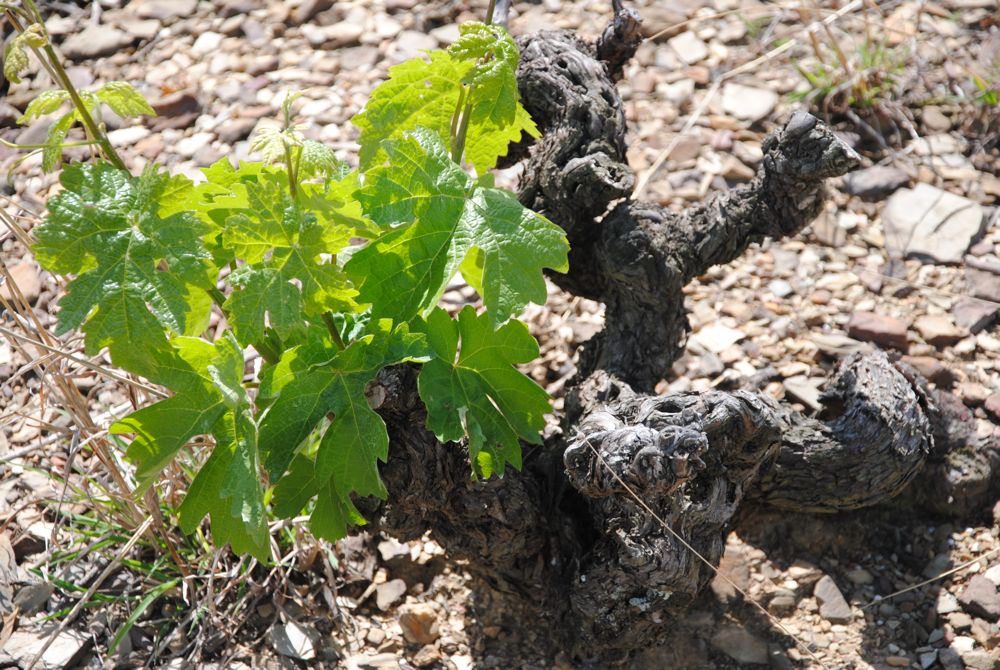
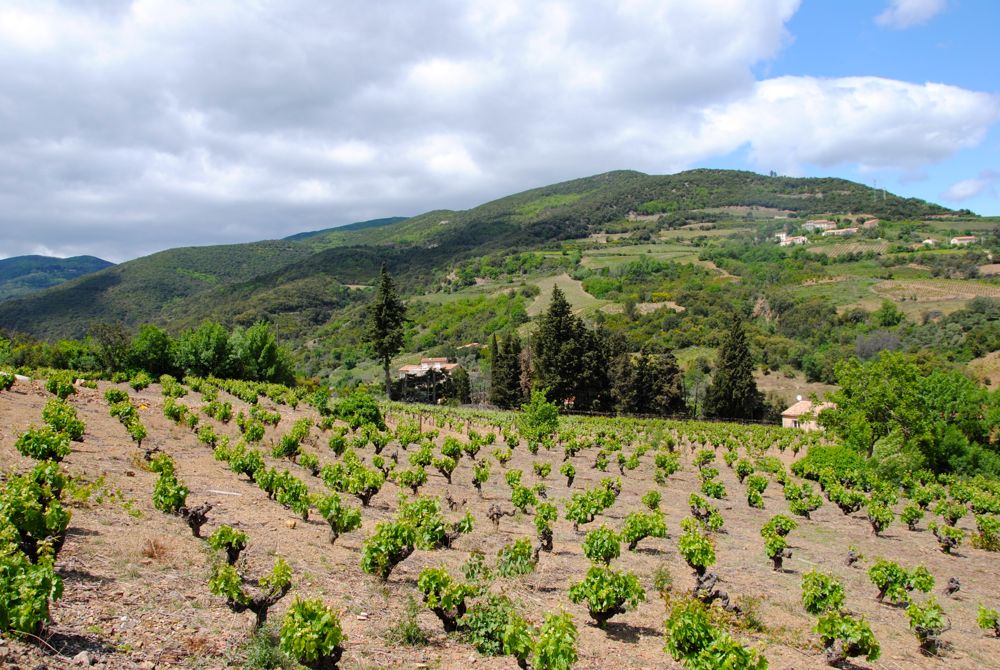
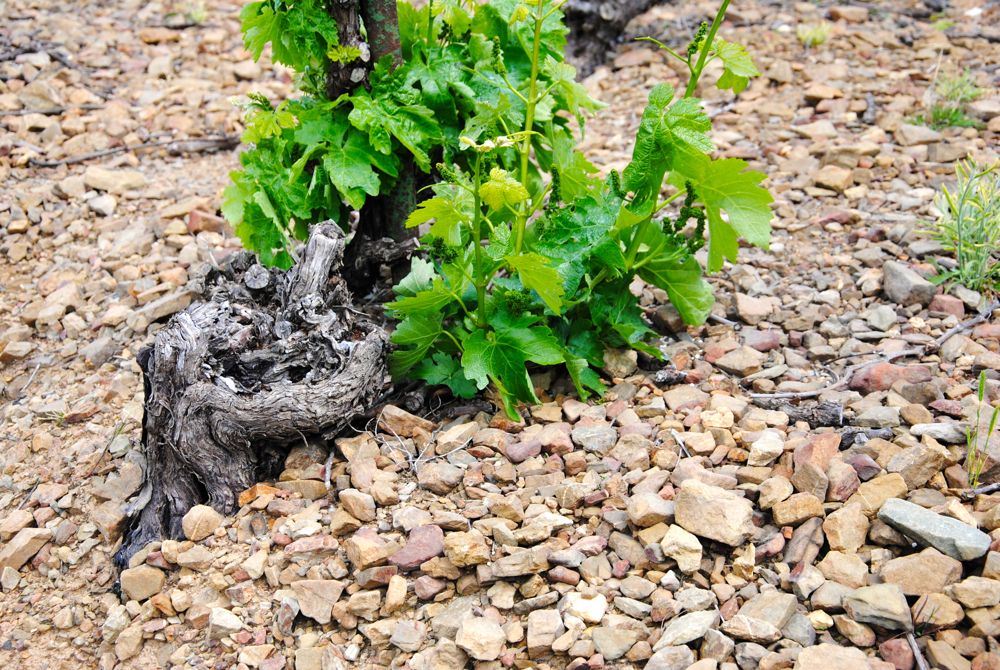
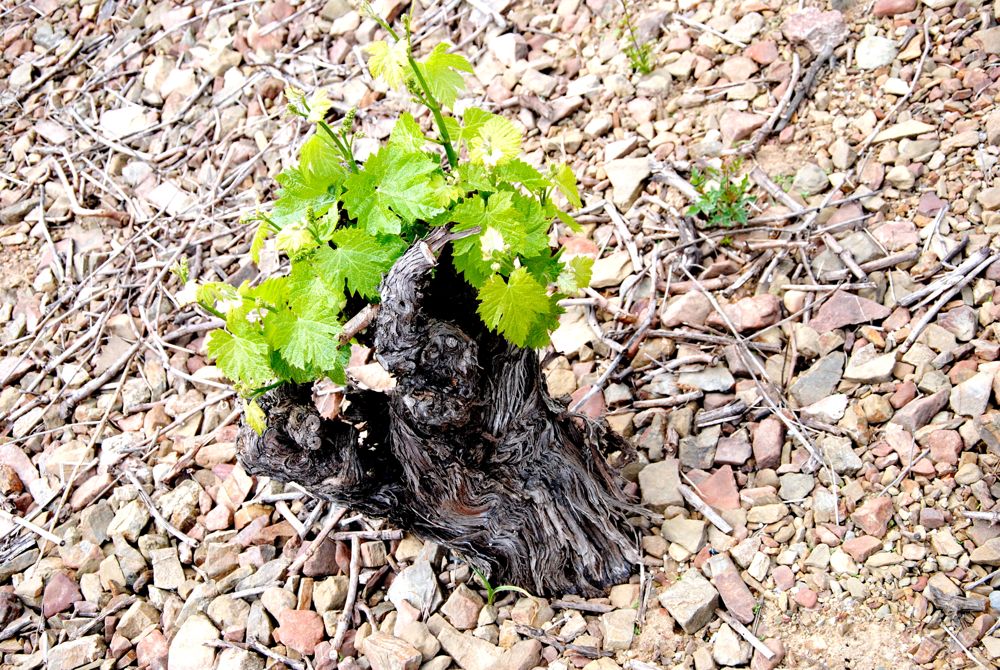
Pictures of old #Carignan and #Cinsault vines near Berlou in #Languedoc





 RSS
RSS