Black like a real Cahors, some purple hints are to be seen on the rim of the glass. It has an intense, quite complex nose full of black currants and other ripe fruit, with pleasant herbal notes and spices. Extremely juicy, it reminds of a fresh coulis of red and black fruits in the mouth. And while the wine softly fondles our cheeks, a zesty freshness underlines the precision of the crispy tannins, giving a lot of length to the wine.
A piece of roasted lamb, a few caramelized figs, a spicy and creamy polenta... No culinary restrains in any case! The perfect wine for “Here and Now”, which will, however, come up with some surprises after a few years of quiet rest in the cellar.
Château du Cèdre #Cahors - outstanding natural #wine !
“The sulfur-free wines from Pascla Verhaeghe show great progress and the results he achieved are just wonderful! These are REAL wines without sulfur, outstanding natural wines.”
Fabrice Beaugrand – Bettane & Desseauve - read at “La Vie Quercynoise”
Balanced and healthy soils are the basis of any healthy and sustainable agriculture. A truism that one, however, had to rediscover in a more or less painful way in the last décades. This puts an end to the false promises of the “glorious”, chemical sixties! Many have understood: We have to take care of our soils. You have to protect and cherish them, so they can live on. Because soils, these piles of stones and dirt, may even die ...
“Agriculture has literally to go back to its roots and must become aware of the importance of healthy soils ...”, writes the FAO on its website. Soils are actually very complex, vibrant ecosystems that serve to a variety of functions, bringing benefits to the cultures that we plant on them. Being a reservoir for water and minerals, it’s bares also to a large variety of organisms: bacteria, fungi, insects and even mammals. All together they form a symbiotic system with the roots, improve the soil structure and contribute to a healthy and harmonious plant production. Soils are self-sustaining, open ecosystems that basically do not need the provision of man.
From the moment on men decide to cultivate a soil, they bring the system out of balance. This is not least due to crop harvesting, taking away a part of the ecosystem. It has long been believed that this imbalance could be adjusted with the help of chemical fertilizers and a massive application of weed killers and pesticides, to clean up the fields from the “parasitic nature”. This was believed to be the right path, since chemical fertilizers achieve spectacular growth results within short time.
HOGWASH! The excessive supply of nitrogen makes plants large but weak, the soils losing their porosity and their water retention capacity. Finally, this will kill the system… This imbalance may be hardly corrected. But there is an alternative, without necessarily getting back to prehistoric wilderness. On the contrary, the alternative to chemistry usually requires much more efforts and considerations.
“We use no more weed killers since the nineties,” explains Jean-Marc Verhaeghe, vineyard manager at Château du Cèdre in Cahors.
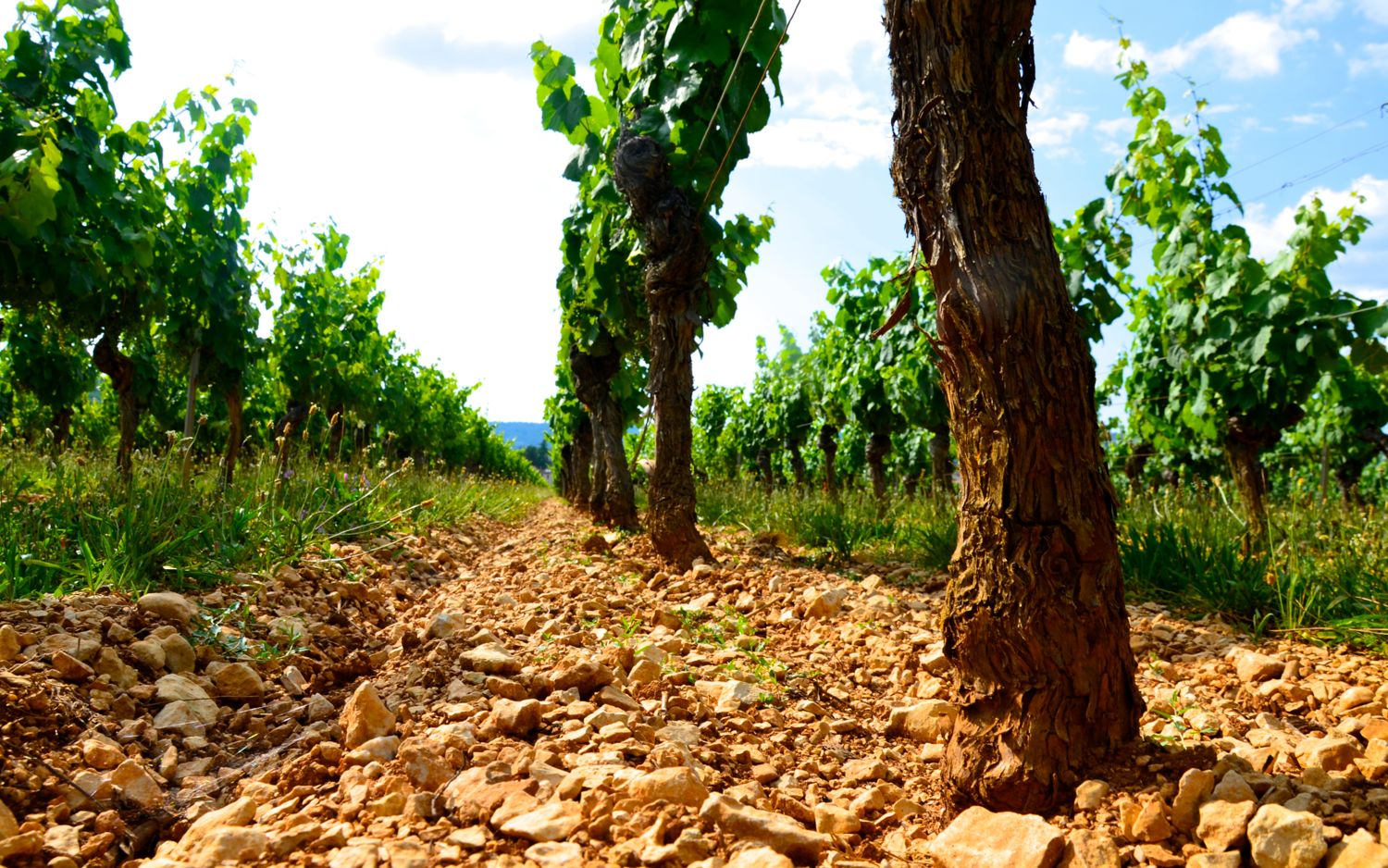
“We control the growth of wild herbs with a plough, inter-vine hoes and mowing. This has proven to be very beneficial to our vineyards. The vines have driven their roots further down, the weeds improve soil porosity favouring the infiltration of rainwater. In addition, evaporation and erosion are reduced, and biodiversity in the soils and the vines increase.”
Yves Gras has enriched his soils with a special carbon-containing compost. Ten tons per hectare! The compost brings organic material into the soil and increases its water retention capacity. Not a luxury in the hot Mediterranean part of the Rhône Valley, where are his vineyards.
Hubert Soreau also stopped using weed killers, taking considerable risks in his Chardonnay growing Clos l’Abbé in the Champagne south of Épernay. For grasses and herbs may increase the risk of frost in spring, which may sometimes nip the entire harvest in the bud. But his vines seem to be grateful with a more natural life, giving him fully ripe grapes for already several years, a basis for its full-bodied and amazingly complex champagne.
Santa Duc - Looking back on the 2014 vintage in the #Rhône
Last year we had a late maturing vintage. In the area around Gigondas, Plan de Dieu, Rasteau ... there was little rainfall in September, so we could serenely wait for the full maturity of the grapes. The last fruit finally reached our cellar on October 10th.
Being convinced that terroir and fruits produce the taste of wine, we intervene in the production processes as sparingly as possible. Its our main concern to preserve the overall quality of the grapes. For this purpose, we carefully sort out ripe and aromatic fruits, let fermentations be done by natural yeasts; and adapt maceration and extraction to overall tannin quality of the grapes.
At the beginning of the cellar work, when we put the crop into the tanks, we will add moderate amounts of sulphites, to prevent the development of undesirable yeasts. This agreement fits well with our philosophy, because we are neither friend nor foe of sulphites and adjust the application to the needs of each vintage and each tank. The oxygen sensitivity of different grape varieties, the frequency of racking to separate the wines from their lees, the topping of the barrels and the constant temperature of our cellar are, among other things, important factors for a harmonious and secure development of each wine. Only the sum of all factors allows the wine to evolve towards harmony of taste and will freely express the character of its origin.
In recent years, we focussed on the pursuit for a pure and noble expression of fruit and terroir. Oak, therefore, still plays an important role in the maturation of the wines. The regular topping of the barrels and the migration of tannins from oak to the wine allow a moderate but controlled oxygen supply, which is essential for a “fragile” varieties as the Grenache. The majority of our small barrels have recently been replaced by large oak vats. This changed the balance of power between wood and wine consideralbly. It seems essential to us, that the latter always has the upper hand.
In the continuity of this work, our cellar welcomed this year three 800-liter clay jars from Impruneta. In this stronghold of pottery near Florence in Italy a special type of clay, particularly suitable for the manufacturing of earthenware jars for wine and olive oil has been mined for many centuries. The hand-made jars have a completely smooth surface on the inside, and the clay allows the maturation of wines without any supply of tannins and flavours, while their special shape favours the expression of fruit and minerality. For this first year, a pure Grenache from La Crau in Chateauneuf-du-Pape and a Mourvedre from the terroir of the Hautes Garrigues in Gigondas will be ageing in these jars.
What do you think of #biodynamic agriculture, Pascal?
"We are not labeled for biodynamic farming, but we apply it in our vineyards. We never claimed the status of being entirely biodynamic, because it’s more comfortable to practice in small areas. However, we try to get as close to it as possible. Fifteen years ago, people looked at the proponents of biodynamics like they were lunatics. They even seemed to be a little sectarian. But then, step by step things evolved and we realized that there are a lot of things that work relatively well, although we cannot exactly explain why. In practice, we see that the vines are healthier, that the grapes are of better quality: We get to phenolic maturity with less alcohol, plant mortality is decreasing year after year, etc. A whole number of little things tell us we are on the right track.
For the record: We went for organic farming in 1992, when we have learned that our father had fallen ill because of the chemicals. This was the moment we decided that we had to work differently. Today, among all those who work with us in the vineyards, nobody wants to return to the times we used chemicals."
The days before harvest are days of calmness. An excellent moment to think about the vintages of the past and those to come. Our wines have become more elegant and subtle over the last six years. Influence of the vintage? Probably. A new wine style? At least that’s not what we are striving for. Being convinced that terroir shapes our wines, the influence we have on their character is rather low.
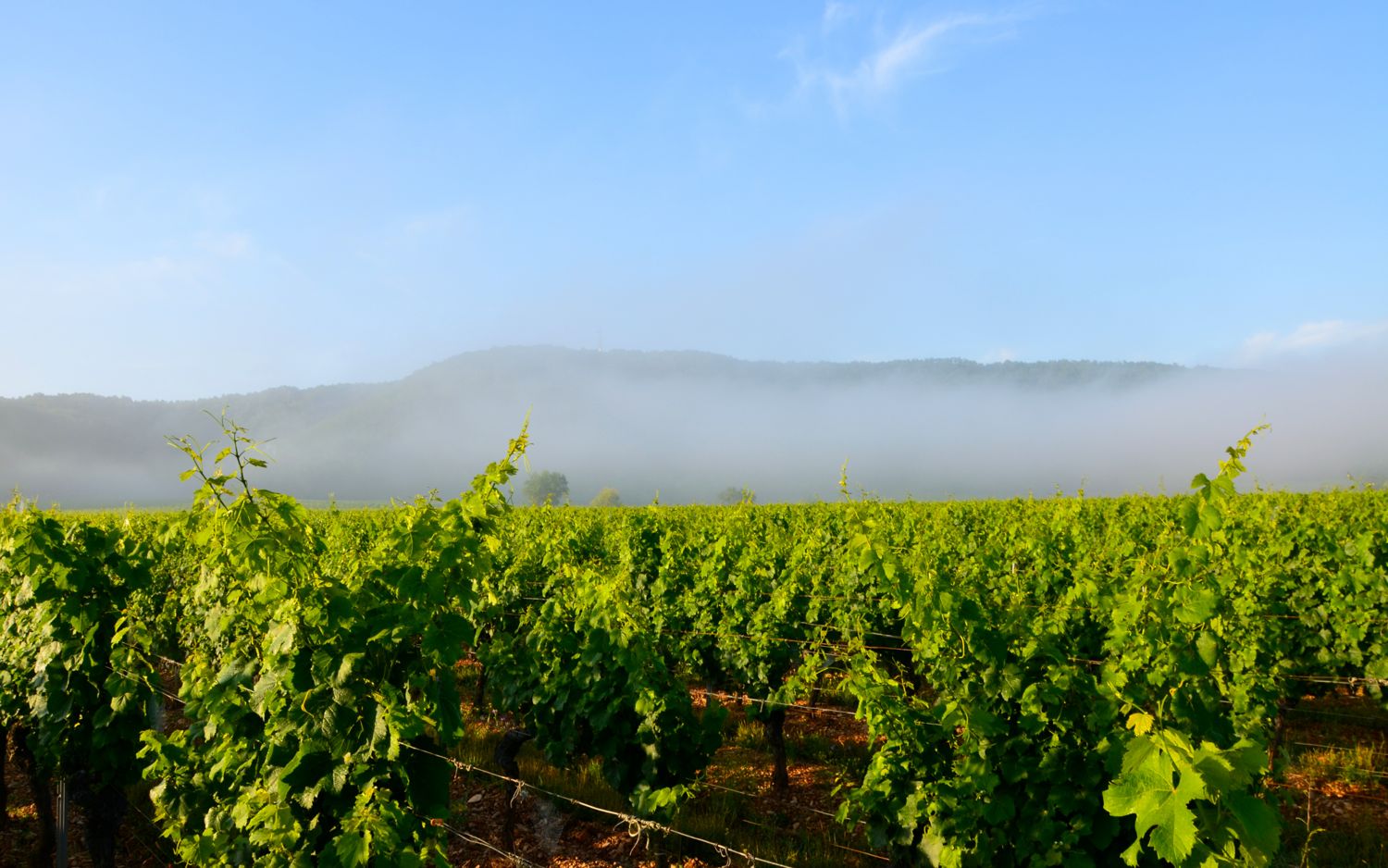
The environment of our vineyards constantly evolves.
And some factors, like climate, have been changing very fast over the last years. And we have to constantly adapt ourselves to this evolution: stronger winds, drought, uncertain periods of rainfall, higher temperatures… Due to climatic changes, vines also change: the growing process, the progress of ripening and the final stage of ripeness of the grapes, and as a result, the composition and the character of its wines. And wine growers and makers have to follow the new conditions and work out new ways to keep the wines balanced and harmonious.
How is this possible?
By picking at optimum ripeness, we underline the aromatic expression and freshness of the grapes. We further set up measures in the cellar to preserve the initial fruit quality: Early protection of grapes and must against oxidation, fermenting at low temperatures, gentle extraction of tannins and colour, ageing of wines in large oak vats rather than in small barrels. We are convinced that expression of fruit comes first. Oak wood only should strengthen and embellish the wine. But we already did the most important step the day we went for organic farming in our vineyards a couple of years ago. Besides producing cleaner and healthier wines, this method respects nature and keeps terroir alive. I want to leave a legacy of soils to my children they can continue to grow vines on. We had the chance in Gigondas to inherit unspoiled land from our parents. A tradition we should continue.
For the rest, it’s difficult to predict the evolution of viticulture in our region.
Vines have an exceptional capacity to adapt to their environment, but we probably have to work on the rootstocks and grape varieties in the future. We will see. Our wines slowly evolved over the past years and they will continue. Climate, grapevines and wine itself are natural, living factors, whose reactions and evolution are partly unpredictable. They show us the direction we’ll have to follow.
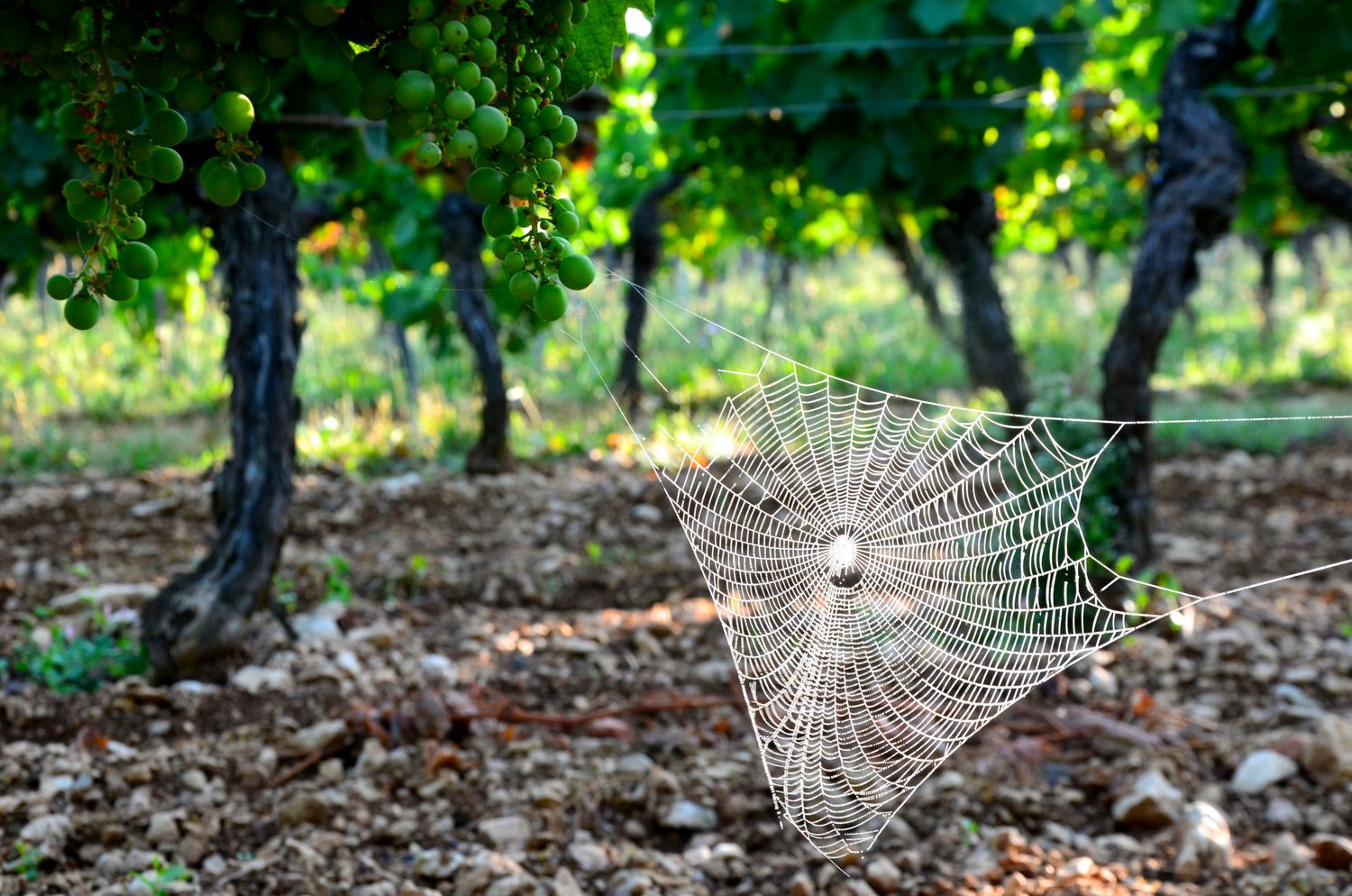
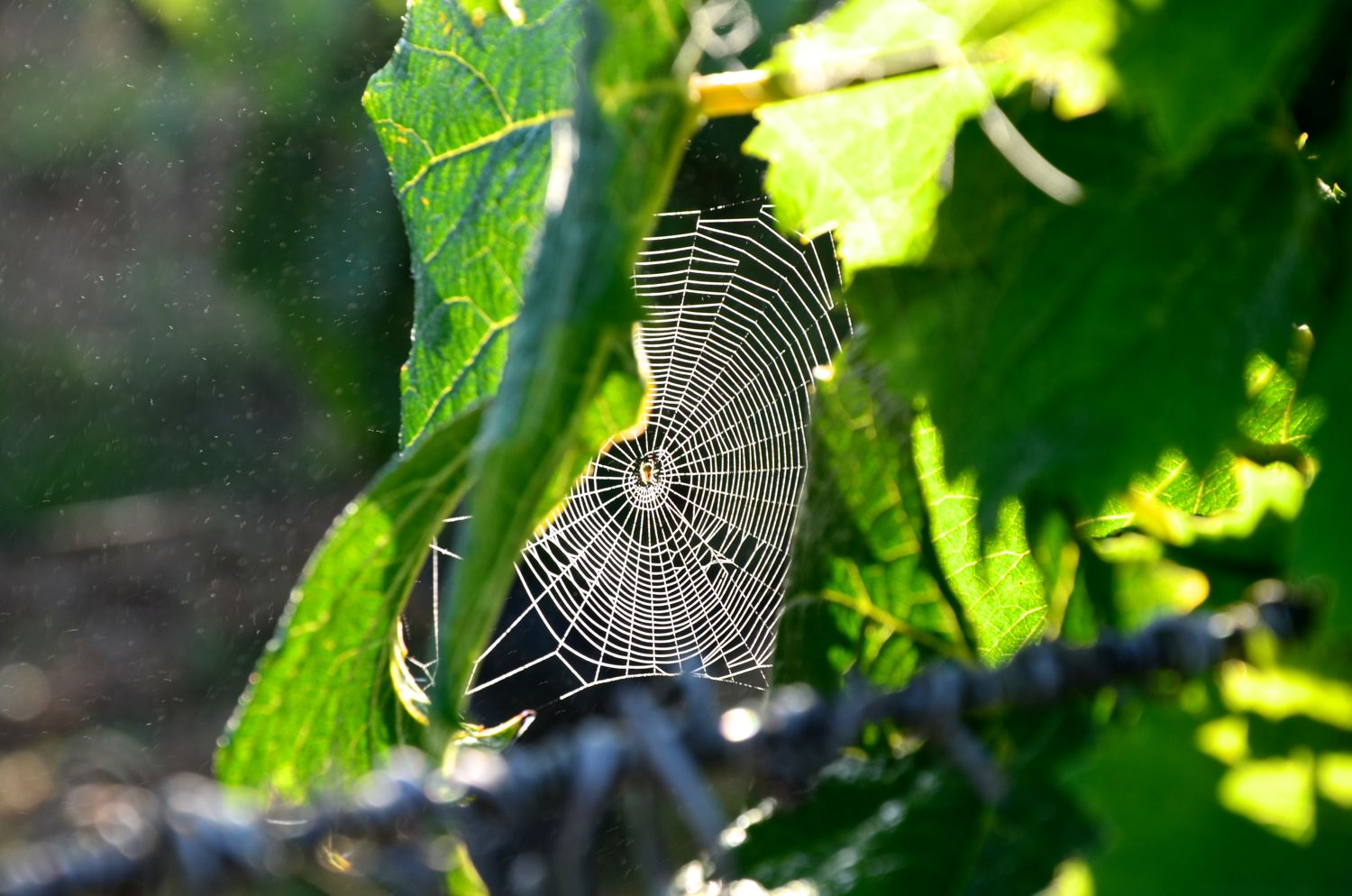
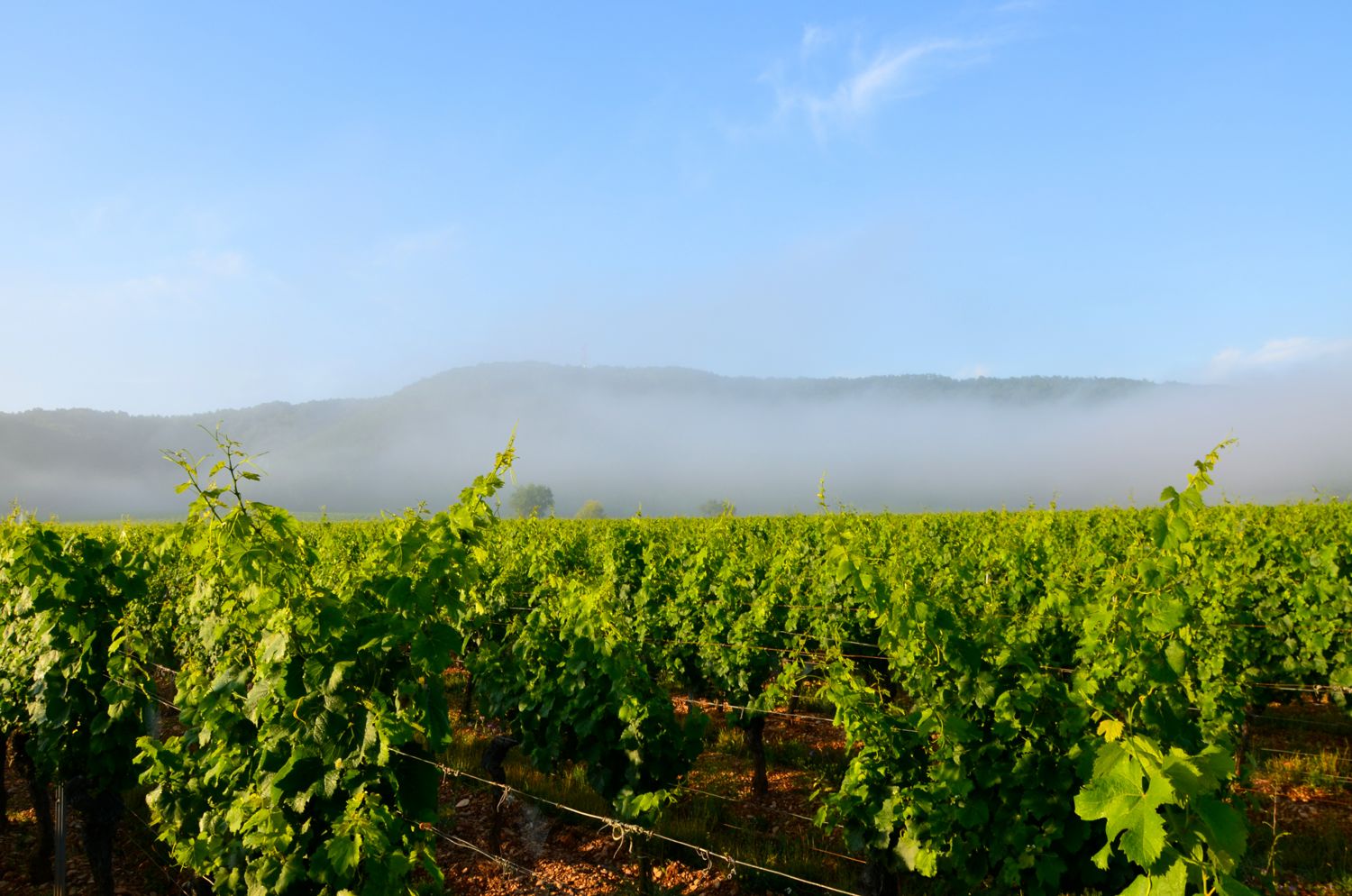
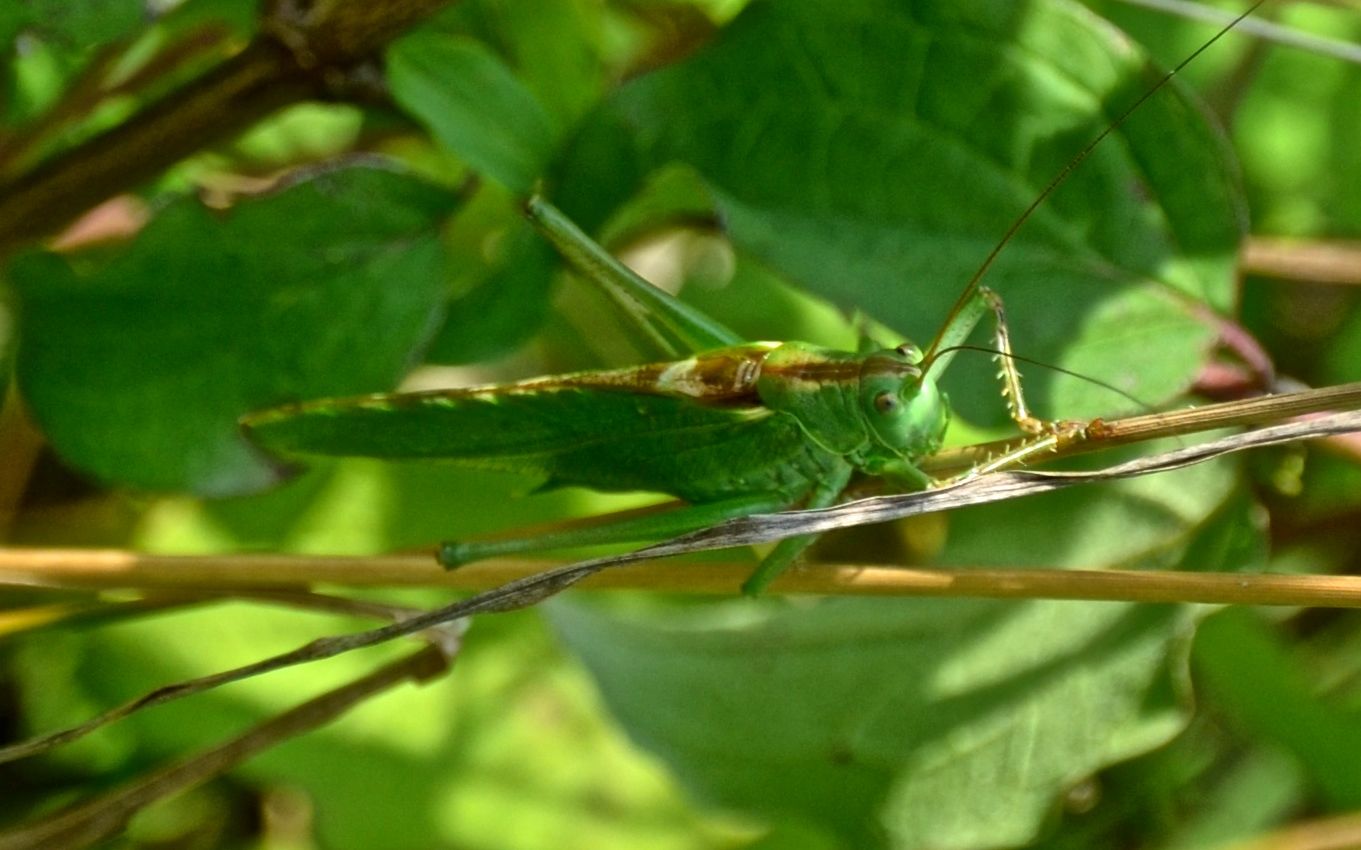
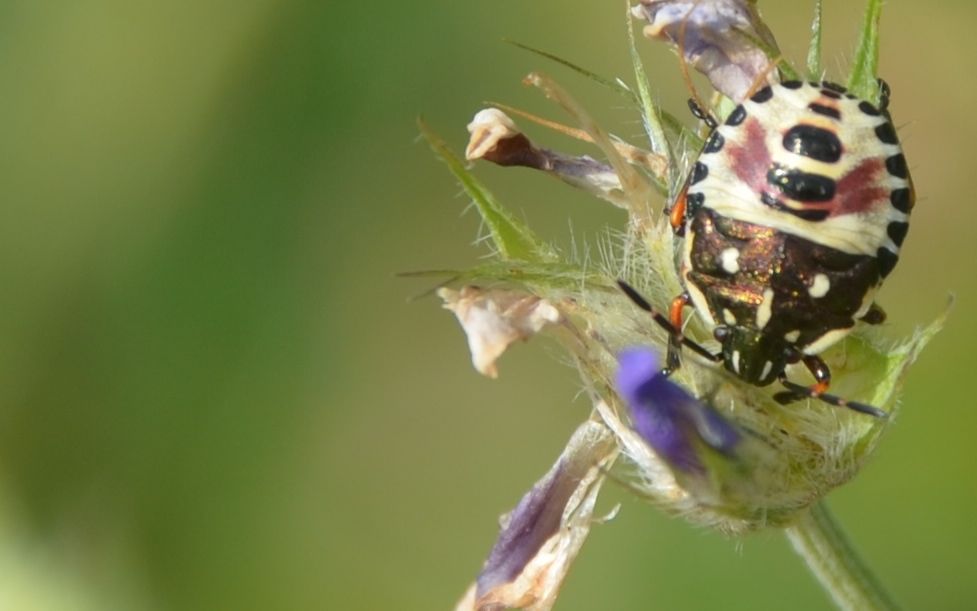
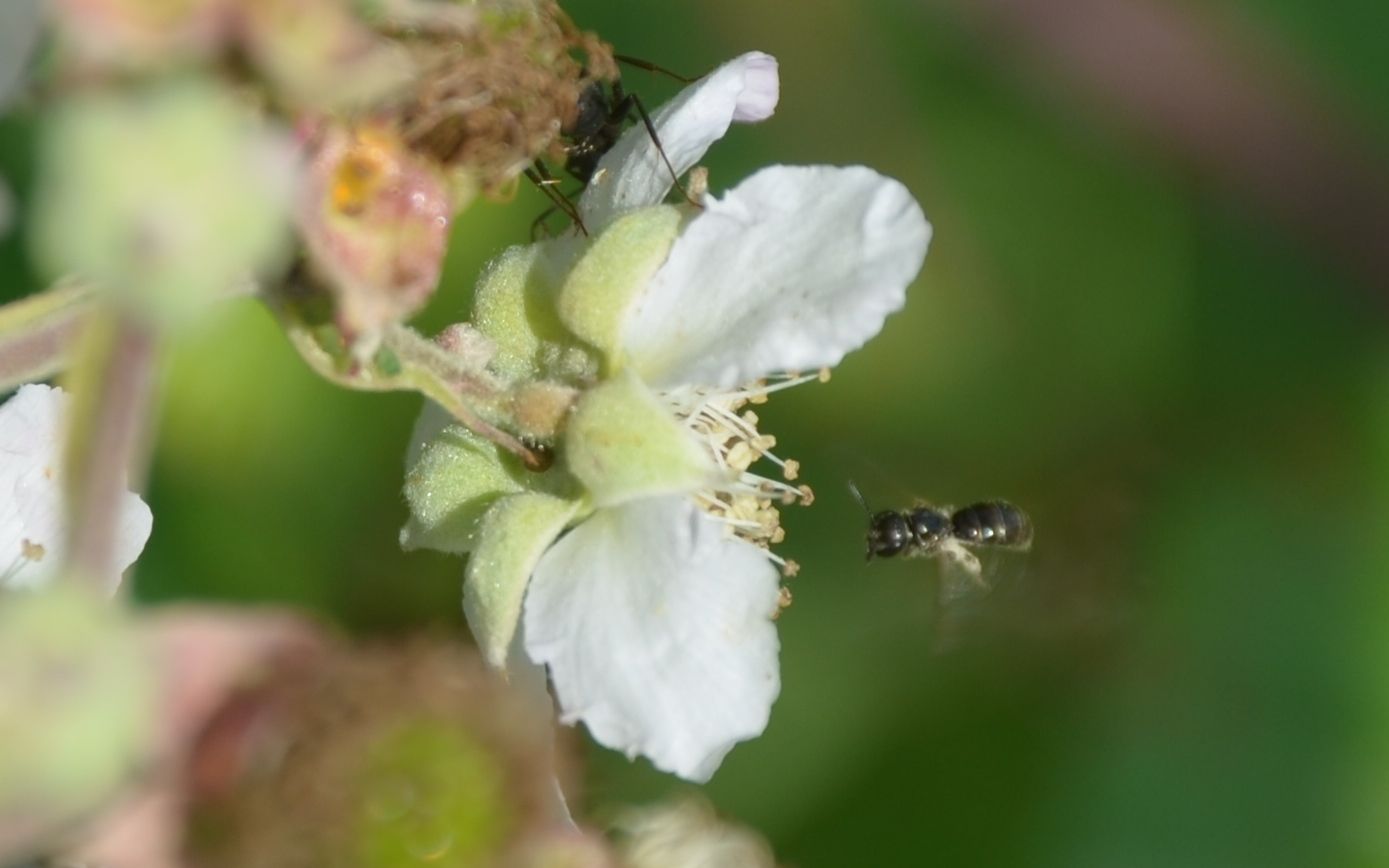
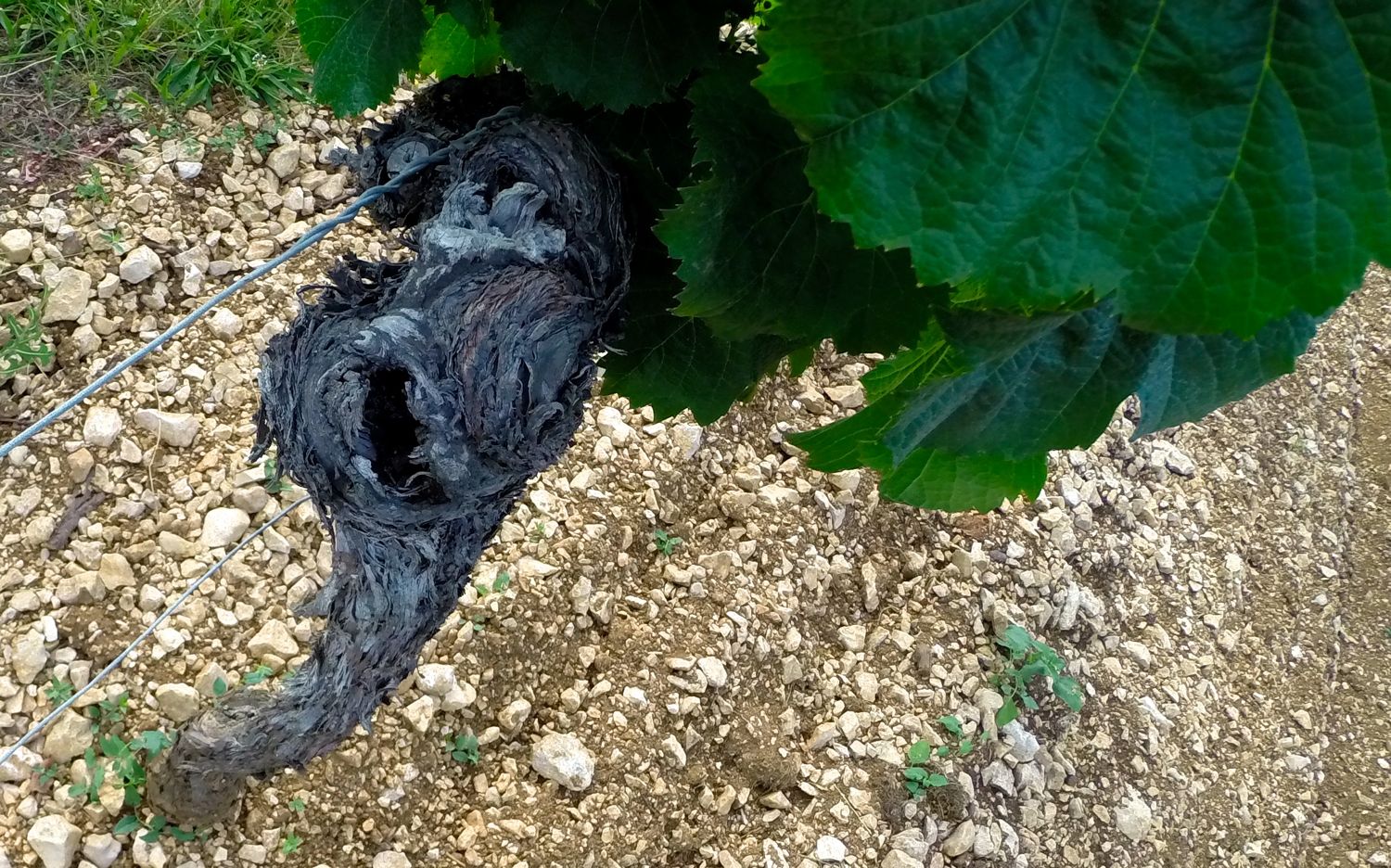
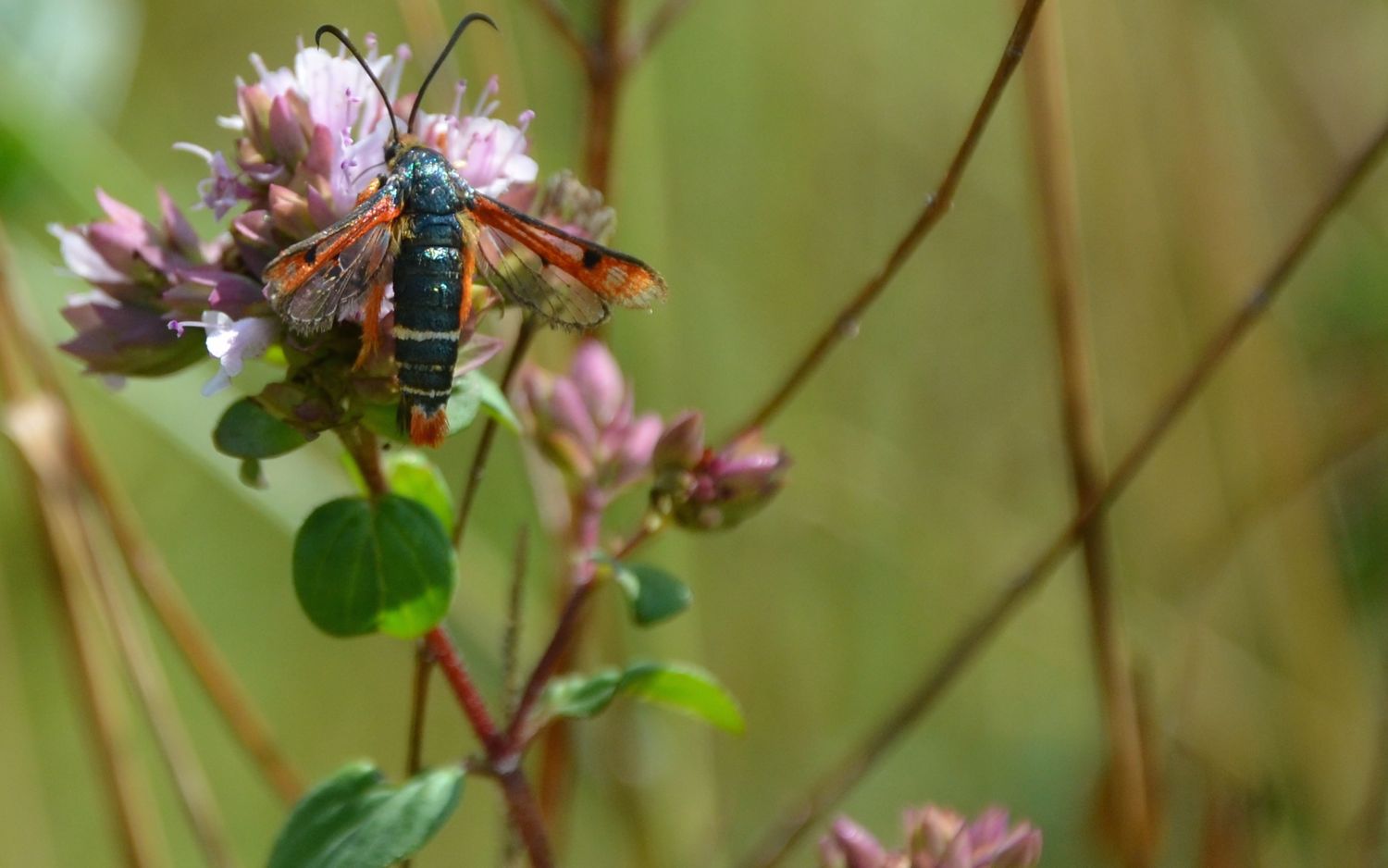
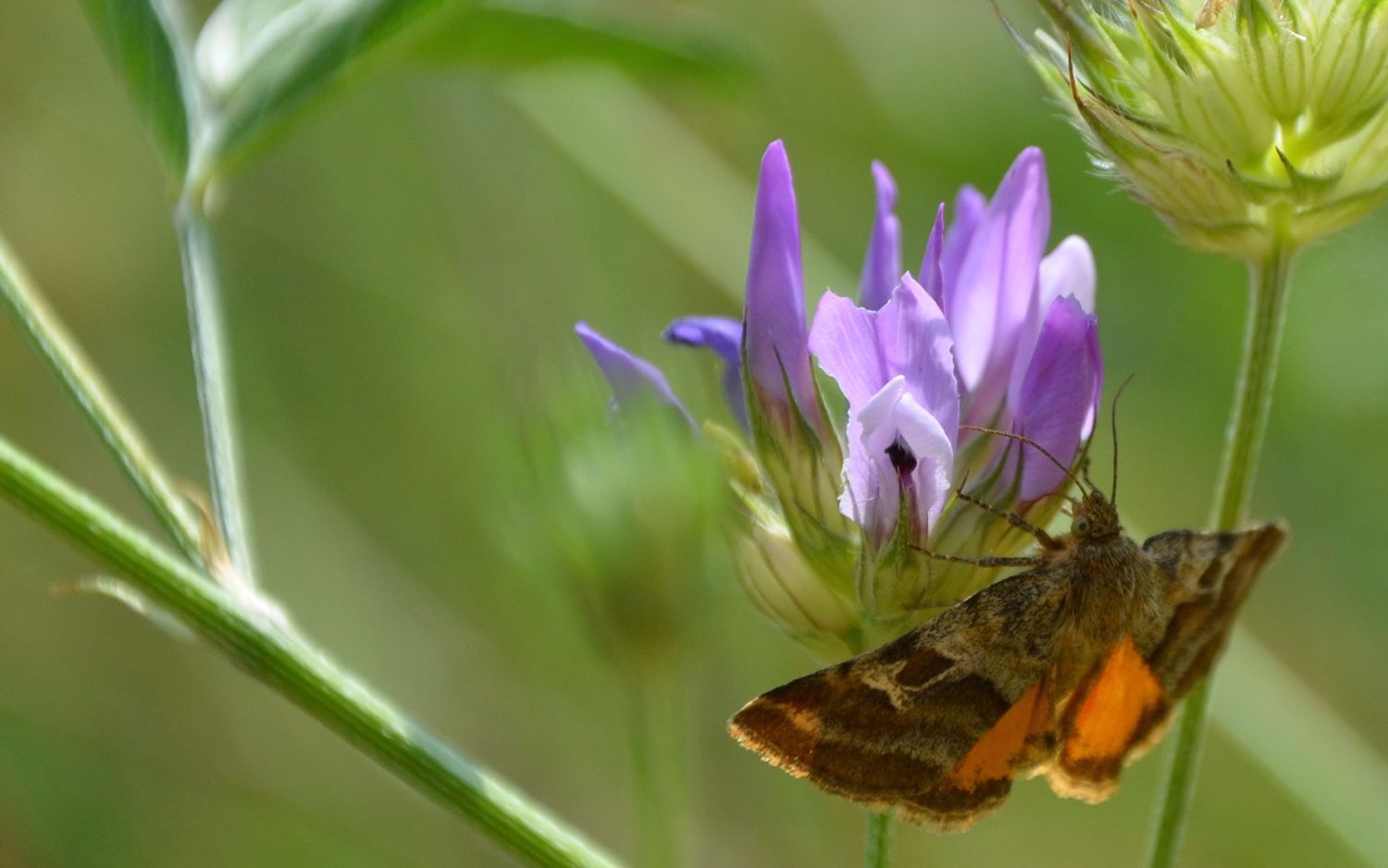
Astonishing fauna and flora in the vineyards of Château du Cèdre
We started this years harvest on Friday September 27th by picking Syrah grapes in Châteauneuf-du-Pape, as well as some Grenache in Vacqueyras. All grapes were in perfect shape and of full ripeness. In some vineyards, Grenache yields are very low, due to coulure (dropping of flowers, also called grape shatter) provoked by the hot weather conditions after flowering. Despite the hazardous weather conditions in spring, the grapes are all healthy, tasty and full of juice. The few vineyards in Roaix and Rasteau hit with hail in July did not show any damages on the fruit.
Throughout harvest, weather conditions were very favourable, with days full of sunshine and warmth. Some rainfalls towards the end of September were particularly beneficial to late ripening Mourvèdre grapes and to the vineyards called “Clos Derrière Vielle”, growing at higher altitudes right above Gigondas.
First tastings of the fermenting musts seem to keep the promises made by the grapes: A lot of fruit and juicy freshness on Grenache, succulent berries and spicy skins on Syrah, crispy fruit and fine tannins on Mourvèdre. The entire harvest shows moderate sugar contents, which promises great balance between body, freshness and structure in the wines.




 RSS
RSS